Introduction
Hairballs are a common problem for cats, particularly indoor cats that spend much of their day grooming themselves. While an occasional hairball can be normal, frequent hairballs, repeated vomiting, or signs of discomfort should not simply be dismissed as part of being a cat. Knowing how to prevent and treat hairballs in indoor cats can help reduce swallowed hair, support healthy digestion, and alert you when veterinary care may be necessary.
Cats naturally swallow loose fur when they groom. Most of that hair passes through the digestive tract and leaves the body in the stool. Sometimes, however, hair accumulates in the stomach and forms a compact mass that the cat eventually brings up. Indoor cats may be particularly prone to this because they often have consistent temperatures, regular grooming routines, and fewer environmental changes that might naturally affect shedding.
The good news is that simple changes to grooming, nutrition, hydration, and the home environment can make a meaningful difference.
Why Do Indoor Cats Get Hairballs?
To understand how to prevent and treat hairballs in indoor cats, it helps to understand where they come from. Cats are meticulous groomers. Their tongues contain tiny, backward-facing structures that catch loose and dead hair as the cat cleans its coat.
Much of this hair is swallowed. Normally, the digestive system moves it through the intestines and eventually eliminates it in the stool. When too much hair collects in the stomach, it can become tangled with mucus and other stomach contents, creating a hairball.
Indoor cats can sometimes experience more noticeable shedding because artificial lighting, stable indoor temperatures, and year-round living conditions may influence their normal seasonal coat cycles.

Long-haired breeds are also more likely to swallow significant amounts of fur simply because they have more hair to maintain.
When Hairballs Are Normal
Occasionally coughing up or vomiting a hairball can happen in an otherwise healthy cat. The cat should generally return to normal afterwards, with normal appetite, energy, drinking, and bowel movements.
A single hairball is usually less concerning than a pattern of frequent episodes.
When Hairballs May Signal a Problem
Repeated hairball episodes can sometimes indicate excessive grooming, skin irritation, allergies, parasites, stress, or another underlying condition. Some cats also appear to be trying to vomit when they are actually coughing.
If your cat repeatedly retches without producing anything, seems distressed, stops eating, becomes lethargic, or has difficulty passing stool, contact a veterinarian promptly.
How to Prevent Hairballs in Indoor Cats
The most effective approach is to reduce the amount of loose hair your cat swallows before it reaches the stomach. Regular grooming is one of the simplest and most practical ways to do this.
Brush Your Cat Regularly
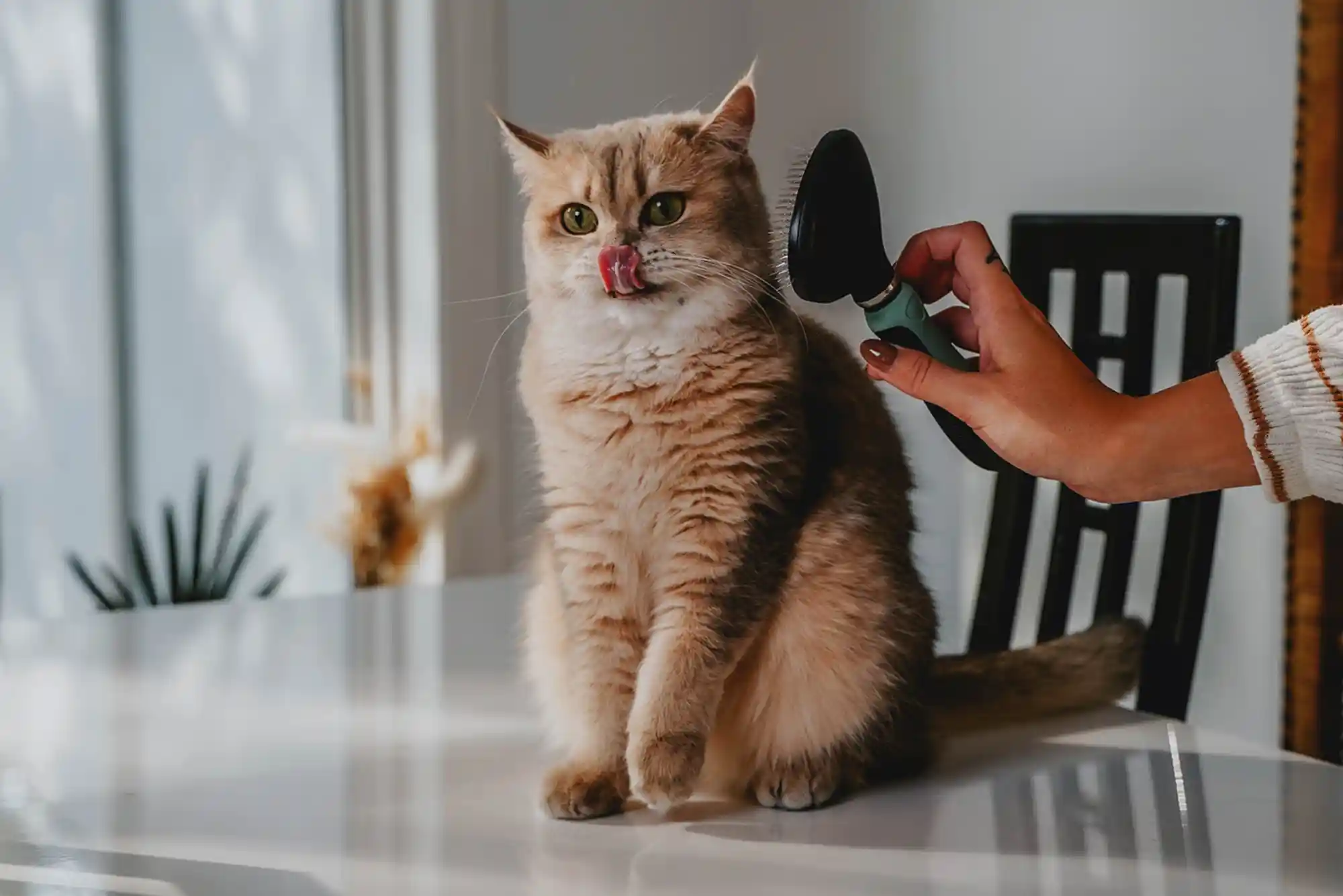
Brushing removes loose fur from the coat before your cat can ingest it during grooming.
Short-haired cats may benefit from brushing several times a week, while long-haired cats often need daily grooming. During periods of heavy shedding, you may need to increase the frequency.
Choose a grooming tool that suits your cat’s coat. A soft brush can work well for some short-haired cats, while long-haired cats may need a comb or grooming brush designed to reach through the coat without pulling painfully.
The key is consistency. A few minutes of gentle grooming each day can be more useful than an occasional long grooming session.
Make Grooming a Positive Experience
Some cats dislike being brushed because previous grooming experiences were uncomfortable. Start slowly and keep sessions short.
Allow your cat to investigate the brush before using it. Brush gently in the direction of hair growth and stop if your cat becomes anxious or irritated.
Rewarding calm behaviour with affection or a small treat can help your cat associate grooming with something positive.
Watch for Excessive Grooming
If your cat suddenly starts licking or chewing its coat much more than usual, don’t assume it is simply being clean.
Excessive grooming can be associated with fleas, allergies, skin disease, pain, or stress. Treating the underlying reason may reduce both hair ingestion and hairballs.
Support Hairball Prevention Through Diet
Nutrition plays an important role in digestive health. Some cat foods are specifically formulated with fibre sources intended to help move swallowed hair through the digestive tract.
A balanced, complete cat food should remain the foundation of your cat’s diet. If hairballs are frequent, ask your veterinarian whether a hairball-focused diet is appropriate.
Consider Fibre Carefully
Certain dietary fibres can help support normal intestinal movement and may assist with the passage of swallowed hair.
However, adding large amounts of fibre or changing your cat’s diet suddenly can cause digestive upset. Dietary changes should be introduced gradually, particularly in cats with sensitive stomachs.
Keep Your Cat Hydrated
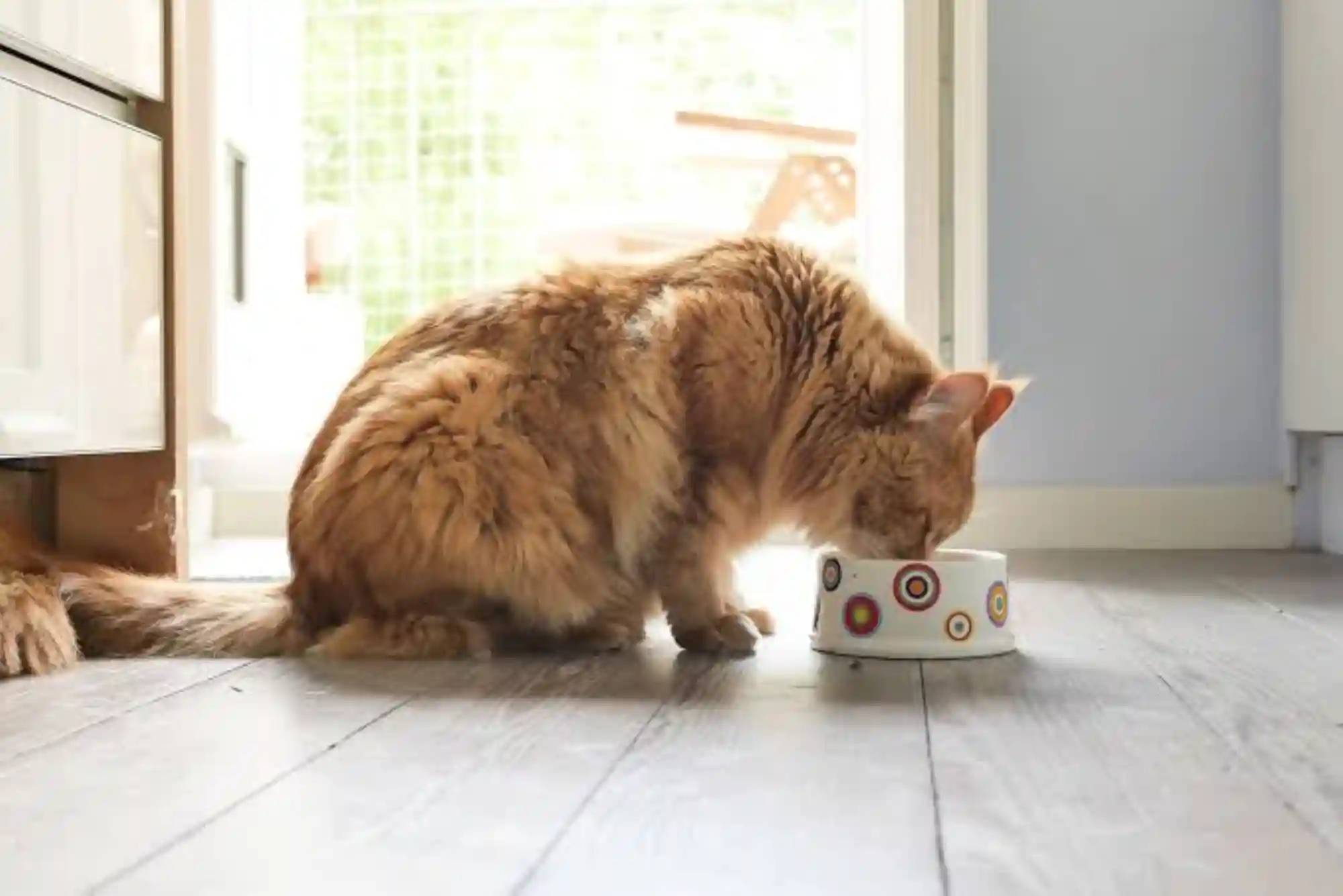
Adequate hydration supports normal digestion and bowel function. Cats can sometimes be reluctant drinkers, particularly when their diet consists mainly of dry food.
Fresh water should always be available. Some cats prefer running water, while others drink more readily from wide, shallow bowls.
Wet food can also contribute to daily water intake and may be useful for cats that do not drink much independently. Speak with your veterinarian if your cat has a specific medical or dietary requirement.
Encourage Healthy Movement
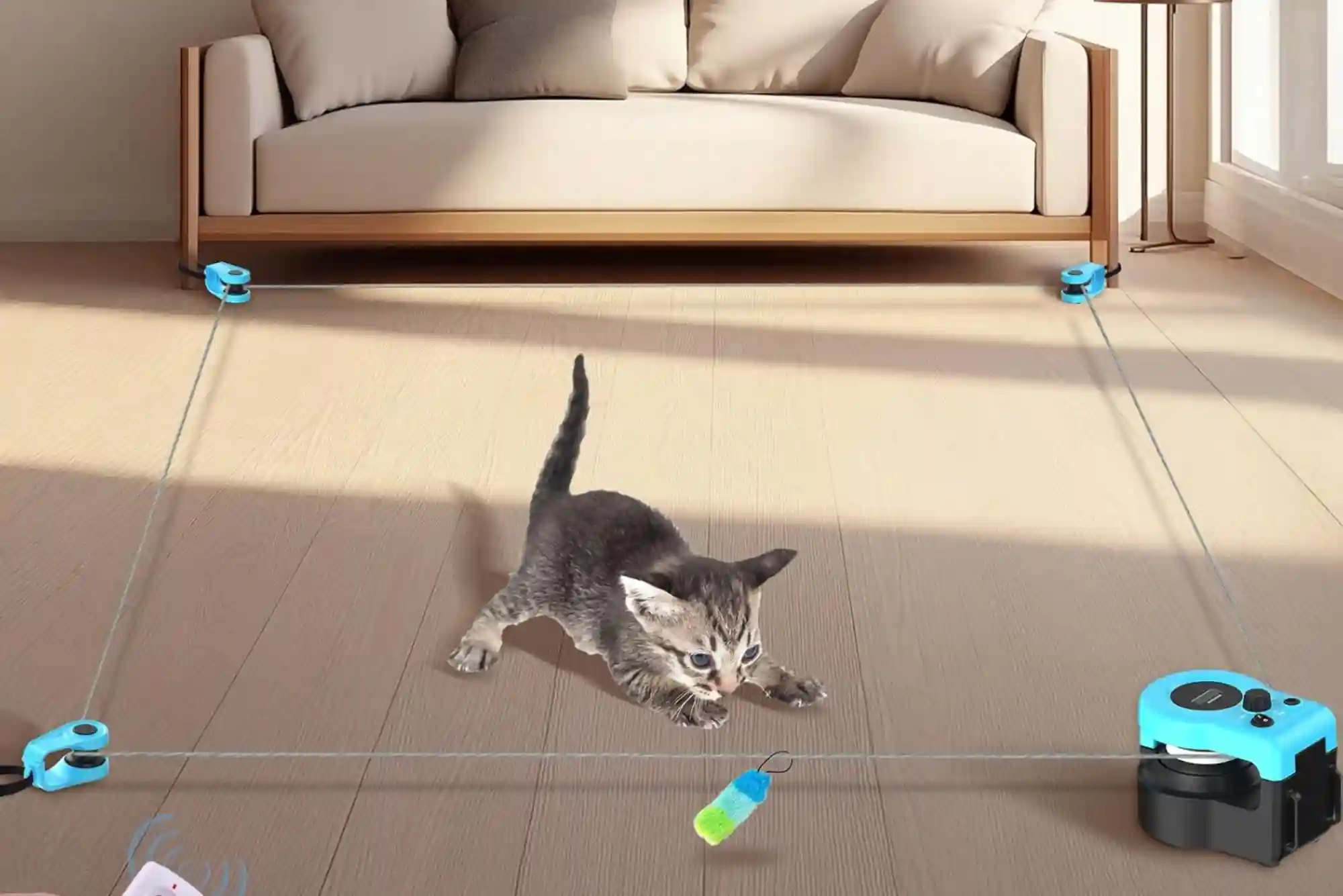
Indoor cats can benefit from regular play and physical activity. Exercise supports general wellbeing and can help maintain normal digestive function.
Interactive toys, climbing structures, scratching posts, and short play sessions can encourage movement throughout the day.
Physical activity also provides mental stimulation. This matters because boredom or stress may contribute to excessive grooming in some cats, potentially increasing the amount of hair they swallow.
Keep Your Cat’s Coat Healthy
A healthy coat generally means less loose fur and less unnecessary grooming.
Provide a nutritionally complete diet and maintain a consistent grooming routine. Check your cat’s coat regularly for mats, dandruff, bald patches, redness, wounds, or parasites.
Long-haired cats deserve particular attention because mats can trap loose hair close to the skin. Severe matting should not simply be pulled out. If you cannot safely remove mats without causing discomfort, professional grooming or veterinary assistance may be appropriate.
How to Treat Hairballs in Indoor Cats
If your cat has already developed a hairball, treatment depends on the situation. An occasional hairball that your cat brings up and recovers from may not require medication.
However, persistent symptoms should be evaluated rather than repeatedly treated at home.
Hairball Remedies and Lubricants
Various commercial hairball products are marketed to help swallowed hair pass through the digestive tract. Some contain lubricating ingredients or other substances intended to support hair passage.
These products should be used according to veterinary advice and label directions. Giving excessive amounts or using inappropriate human products can create health risks.
Do not give your cat mineral oil or other home remedies unless your veterinarian specifically recommends them. Some substances can be dangerous if accidentally inhaled into the lungs.
Never Force Your Cat to Vomit
Trying to make a cat vomit at home is not a safe way to deal with a suspected hairball.
If your cat is repeatedly vomiting or appears unable to pass something, veterinary assessment is the safer option. A veterinarian can determine whether the problem is actually a hairball or something more serious, such as a gastrointestinal obstruction.
Signs Your Cat Needs Veterinary Attention
Understanding how to prevent and treat hairballs in indoor cats also means knowing when home care is no longer appropriate.
Seek veterinary advice if your cat has frequent vomiting, repeated unproductive retching, loss of appetite, unusual tiredness, abdominal discomfort, constipation, diarrhoea, weight loss, coughing, breathing difficulties, or behavioural changes.
An intestinal blockage can become an emergency. A cat that repeatedly vomits, refuses food, becomes severely lethargic, or shows signs of abdominal pain should be assessed promptly.
Hairball or Coughing?
One common mistake is assuming every episode of gagging is a hairball.
During coughing, a cat may crouch low, stretch its neck forward, and repeatedly cough without producing a hairball. Respiratory conditions such as asthma can sometimes resemble attempts to bring up a hairball.
If you are uncertain about what you are seeing, recording a short video of the episode can help your veterinarian understand the behaviour.
Create a Hairball-Friendly Indoor Routine
Preventing hairballs works best as part of your cat’s normal routine rather than as an occasional response to vomiting.
Schedule regular brushing, monitor shedding, keep water fresh, provide appropriate nutrition, and encourage daily activity. At the same time, pay attention to changes in grooming behaviour, appetite, stool production, and energy.
Cats are very good at hiding illness, so subtle changes can matter. A cat that suddenly spends much more time grooming, for example, may have a skin problem or stress-related issue that deserves attention.
Regular veterinary check-ups are also important, particularly for older cats or cats with recurring digestive problems.
Common Mistakes Cat Owners Make
One of the biggest mistakes is assuming frequent hairballs are always harmless. Occasional hairballs can be normal, but repeated vomiting deserves investigation.
Another mistake is overusing hairball remedies. More is not necessarily better, and some products may not be suitable for every cat.
Skipping grooming is another common problem. Waiting until shedding becomes severe can result in your cat swallowing much more loose fur.
Finally, don’t ignore changes in appetite, bowel movements, or behaviour simply because your cat has a history of hairballs. Those symptoms may have another cause.
A Simple Long-Term Approach to Hairball Prevention
The best way to manage hairballs is to think about prevention rather than relying solely on treatment after a problem occurs.
Regular grooming removes loose fur before your cat can swallow it. Appropriate nutrition and hydration support normal gastrointestinal function. Exercise encourages a healthy indoor lifestyle, while monitoring excessive grooming can help identify problems that increase hair ingestion.
For cats that continue to experience frequent hairballs despite these measures, a veterinarian can investigate possible dietary, gastrointestinal, skin, behavioural, or other medical causes.
Keep Hairballs Under Control
Learning how to prevent and treat hairballs in indoor cats is mainly about reducing swallowed fur and supporting your cat’s overall health. Regular brushing, appropriate nutrition, good hydration, exercise, and careful monitoring can all help reduce the frequency of hairballs.
An occasional hairball may be nothing to worry about, but repeated vomiting, unproductive retching, appetite changes, constipation, lethargy, or breathing problems should never be automatically blamed on fur.
Your cat’s grooming routine is an excellent place to start. Spend a few minutes each day checking the coat, brushing away loose hair, and observing any changes in behaviour. If hairballs are frequent or your cat seems unwell, speak with a veterinarian rather than relying on repeated home treatments.
FAQs
How often is it normal for a cat to have a hairball?
There is no single number that is normal for every cat. An occasional hairball can occur, but frequent vomiting or repeated hairball episodes should be discussed with a veterinarian to rule out an underlying problem.
How can I help my cat get rid of a hairball?
Regular brushing can reduce future hairballs. If your cat has an occasional uncomplicated hairball, a veterinarian may recommend an appropriate hairball diet or commercial product. Never give human laxatives or force your cat to vomit.
Does wet food help with hairballs?
Wet food increases dietary water intake, which can support hydration and normal digestion. However, wet food alone is not a guaranteed hairball treatment. Your cat’s overall diet and individual health should be considered.
What is the best way to prevent hairballs in cats?
Regular grooming is one of the most effective preventative measures because it removes loose fur before the cat swallows it. Appropriate nutrition, hydration, exercise, and veterinary care can also contribute to good digestive health.
Why does my cat keep trying to cough up a hairball but nothing comes out?
Repeated unproductive retching may not be caused by a hairball. Coughing and respiratory problems can sometimes look similar. If the behaviour keeps happening, have your cat examined by a veterinarian.
Are hairballs dangerous for cats?
Most occasional hairballs are not dangerous, but a large mass of hair can potentially contribute to gastrointestinal obstruction. Persistent vomiting, loss of appetite, lethargy, abdominal pain, or difficulty passing stool requires veterinary attention.
Do indoor cats get more hairballs than outdoor cats?
Indoor cats can experience frequent shedding and may groom themselves extensively, which can increase swallowed hair. However, hairball frequency varies considerably between individual cats and depends on coat type, grooming behaviour, health, diet, and other factors.
Related Reading: How to Stop Cats from Scratching Furniture: Scratching Post Setup
Related Reading: Can Cats Drink Milk? Lactose Intolerance and Safe Hydration
Related Reading: Best Interactive Cat Toys for Bored Indoor Cats (Lasers, Feathers, Mice)