Introduction
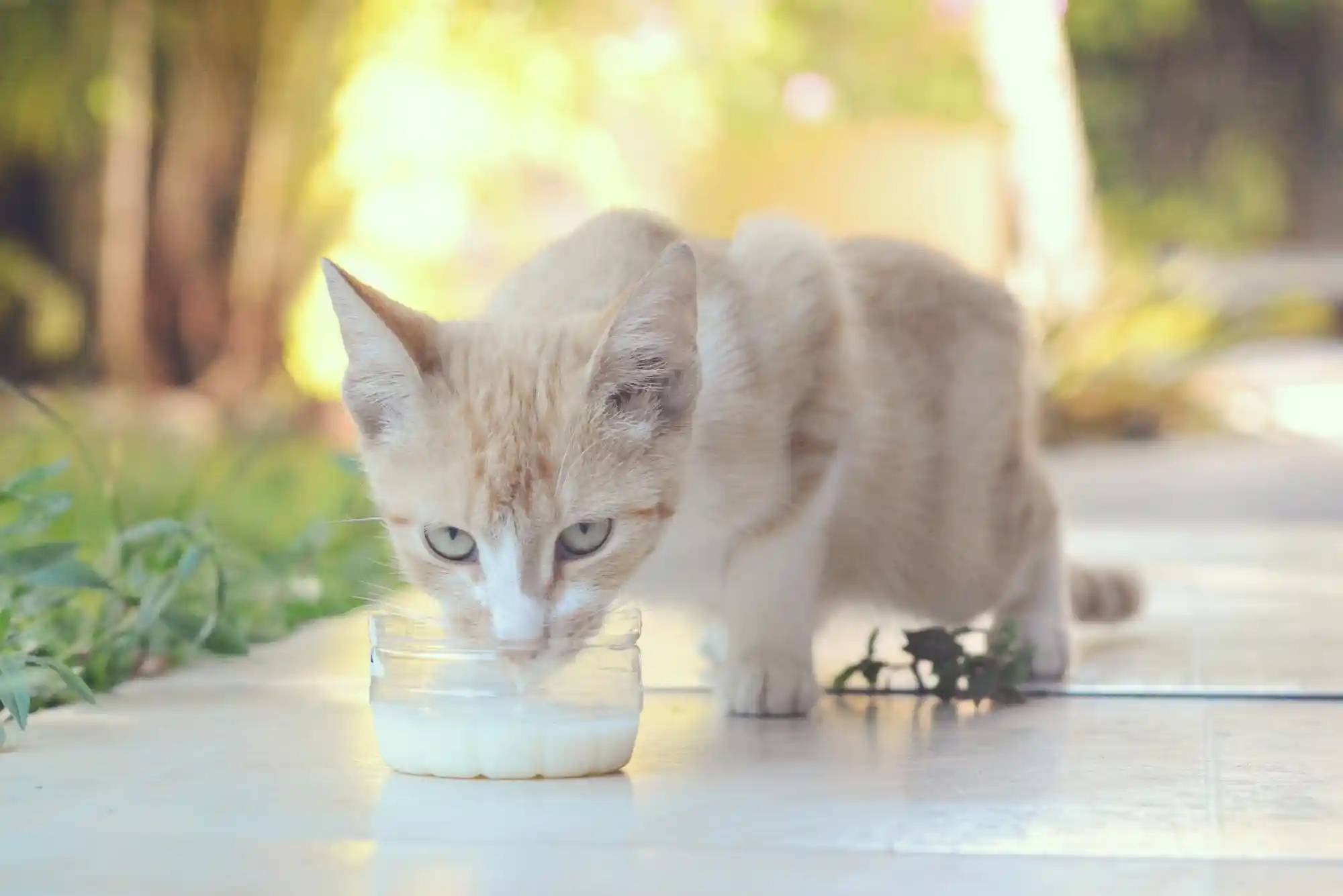
Many people picture a cat happily drinking a bowl of milk. This familiar image makes milk seem like a natural treat for cats. However, the reality is different. Most adult cats cannot digest milk properly because they become lactose intolerant after weaning.
Can cats drink milk? Lactose intolerance and safe hydration are important topics for every responsible cat owner. Although milk contains nutrients, it can cause digestive discomfort in cats. Fortunately, fresh water and balanced cat food provide everything most cats need for proper hydration.
Understanding how milk affects your cat can help you make safer feeding decisions. This guide explains why cats react to milk, whether kittens need it, and how to keep your feline friend hydrated.
Can Cats Drink Milk Safely?
Cats can drink small amounts of certain types of milk without experiencing immediate problems. However, ordinary cow’s milk is not recommended as a regular drink. Many cats lack enough lactase, an enzyme needed to digest lactose.
Lactose is the natural sugar found in milk. When cats cannot break it down properly, undigested lactose travels into their intestines. There, it draws water into the digestive tract and undergoes fermentation by intestinal bacteria.
Consequently, cats may experience diarrhea, gas, abdominal discomfort, and bloating. The severity depends on the amount consumed and the individual cat’s digestive tolerance.

Some cats appear to tolerate a small quantity of milk. Nevertheless, this does not mean milk offers meaningful health benefits. Fresh water remains the safest everyday drink for cats.
Why Are Cats Lactose Intolerant?
Lactose intolerance develops because most cats produce less lactase as they mature. Kittens initially produce this enzyme to digest their mother’s milk. However, lactase production typically decreases after weaning.
As a result, adult cats often struggle to process the lactose found in cow’s milk. This biological change explains why milk can upset a cat’s stomach, even when the animal seems interested in drinking it.
Is Lactose Intolerance the Same as a Milk Allergy?
Lactose intolerance and milk allergies are different conditions. Lactose intolerance occurs when the digestive system cannot properly process milk sugar. A milk allergy involves an abnormal immune response to milk proteins.
Cats with lactose intolerance commonly develop digestive symptoms. An allergic reaction may also cause skin irritation, itching, vomiting, or other symptoms.
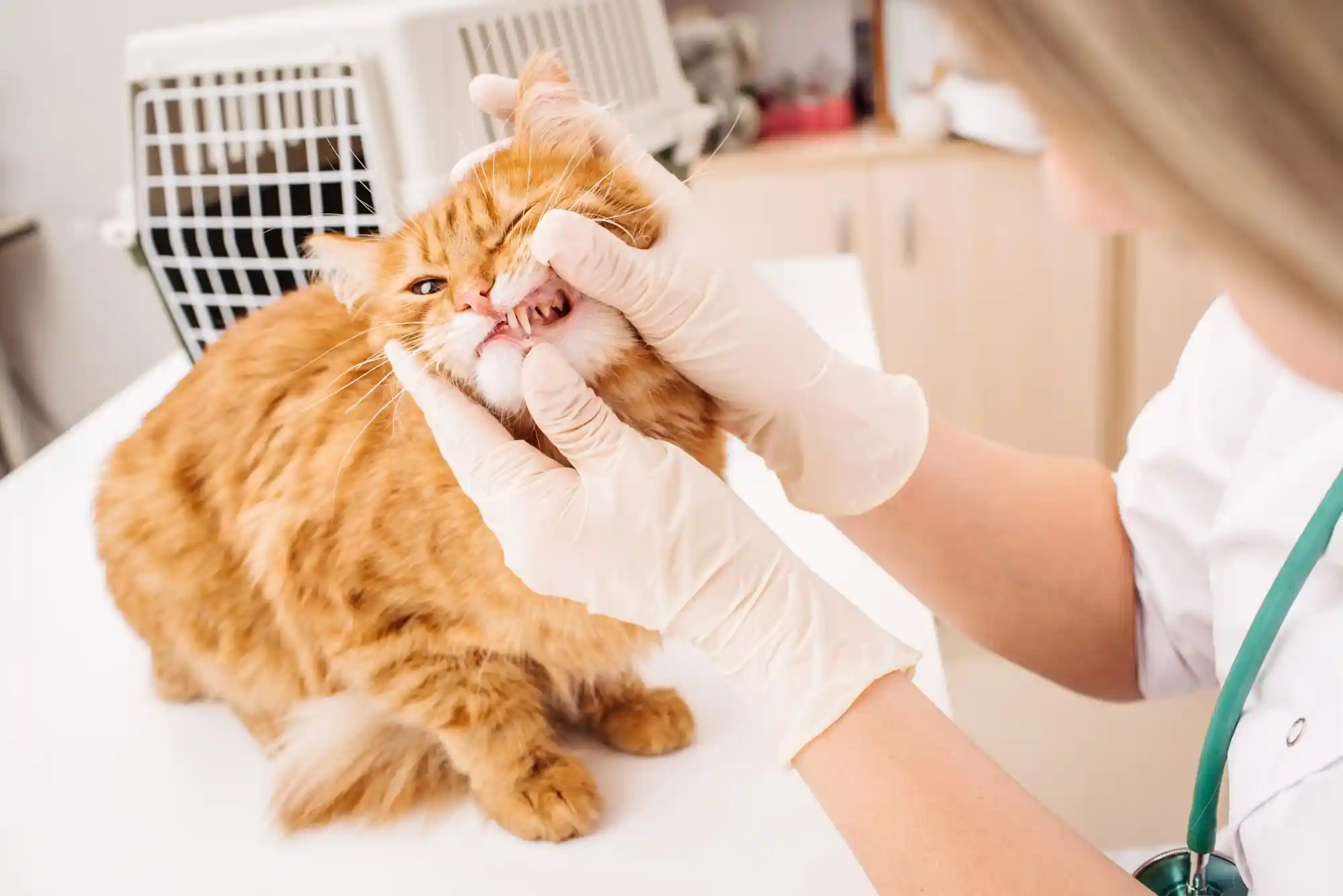
If your cat repeatedly becomes unwell after consuming dairy products, consult a veterinarian. Avoid experimenting with different dairy foods to identify the cause yourself.
What Happens If a Cat Drinks Milk?
The effects of milk depend on your cat’s lactose tolerance and the quantity consumed. A small taste may cause no noticeable reaction. However, a larger serving can trigger digestive problems.
Diarrhea and Digestive Discomfort
Diarrhea is one of the most common signs of lactose intolerance in cats. Undigested lactose can draw excess water into the intestines. This makes stools loose and increases the risk of dehydration if symptoms continue.
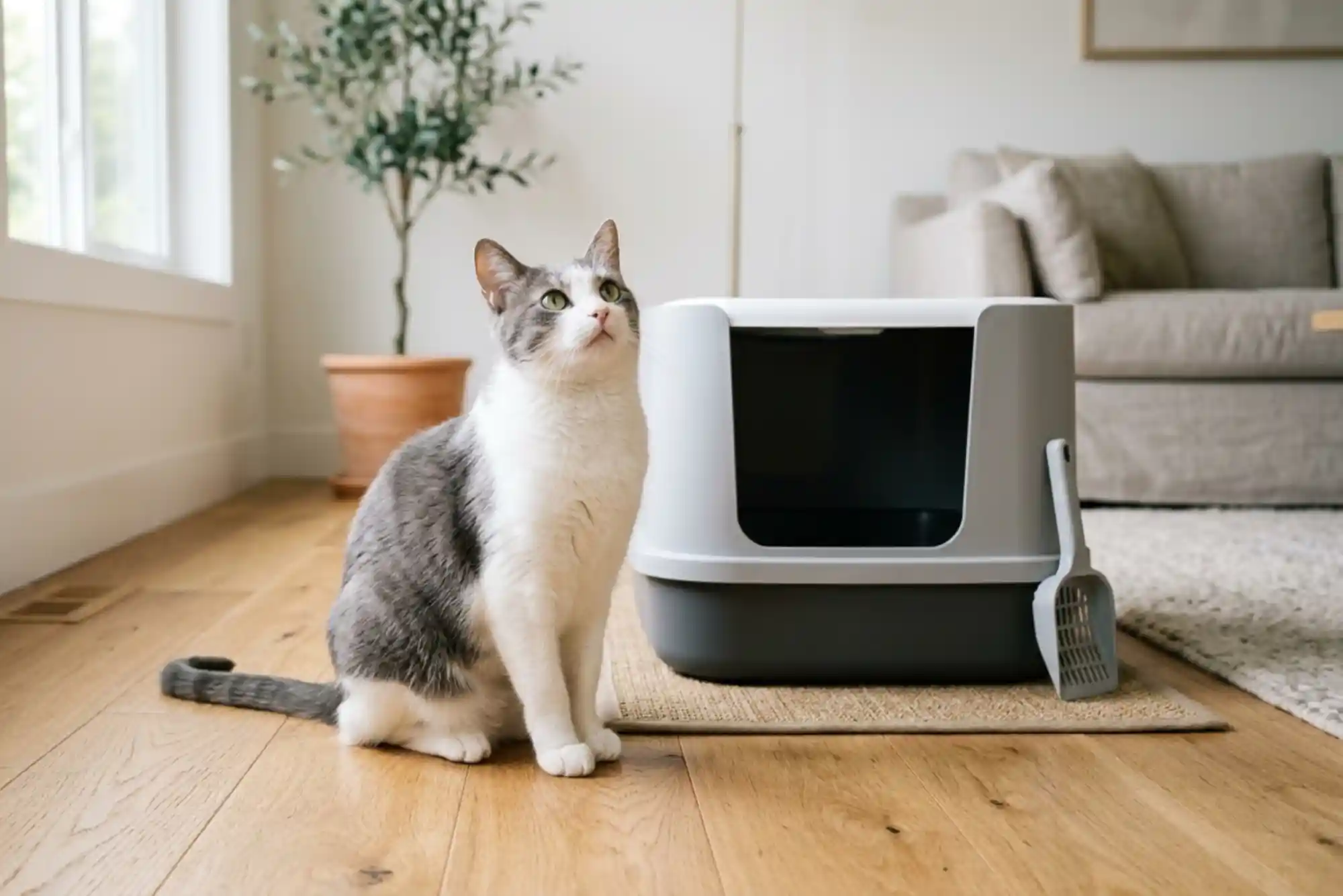
Some cats also develop gas, bloating, or abdominal discomfort. They may appear restless or visit the litter box more frequently than usual.
Vomiting and Reduced Appetite
Some cats may vomit after drinking milk, although vomiting can have several causes. Your cat might also temporarily lose interest in food.
If vomiting continues, diarrhea becomes severe, or your cat seems weak, contact a veterinarian promptly. Kittens, elderly cats, and cats with existing health problems may become dehydrated more quickly.
How Long Do Symptoms Last?
Mild digestive symptoms may improve within several hours or a day. However, the duration varies according to the amount consumed and the cat’s individual response.
Provide access to fresh water and avoid giving additional dairy products. Seek veterinary advice if symptoms persist, worsen, or appear alongside lethargy or blood in the stool.
Can Kittens Drink Milk?
Kittens need their mother’s milk during early development. It provides essential nutrients and antibodies that support healthy growth. However, ordinary cow’s milk is not an appropriate substitute.
A kitten’s digestive system is adapted to its mother’s milk. Cow’s milk has a different nutritional composition and may cause digestive upset.
What Should Orphaned Kittens Drink?
Orphaned kittens generally need a commercially prepared kitten milk replacer. This formula is designed to meet their nutritional requirements more closely than cow’s milk.
Follow the product’s feeding instructions and seek veterinary guidance about feeding frequency and quantity. Very young kittens are vulnerable to dehydration, low blood sugar, and poor growth.
Do not feed a cold, weak, or unresponsive kitten without professional guidance. These symptoms can indicate a medical emergency.
When Can Kittens Start Drinking Water?
Kittens generally begin exploring water and solid food during weaning, around four weeks of age. Their transition to solid food usually continues over the following weeks.
Provide a shallow, stable water bowl where kittens can reach it easily. Continue offering an appropriate kitten diet to support their nutritional needs.
Are Some Types of Milk Safer for Cats?
Not all milk products contain the same amount of lactose. However, alternatives to cow’s milk are not automatically suitable for cats.
Lactose-Free Milk for Cats
Lactose-free milk has had its lactose removed or broken down. Some cats tolerate it better than ordinary milk. Nevertheless, it is not necessary for feline nutrition.
Specially formulated cat milk may be offered occasionally as a treat if your cat tolerates it. Check the ingredients and serving recommendations before introducing a new product.
Remember that these products still contribute calories. Excessive treats can promote weight gain and interfere with a balanced diet.
Can Cats Drink Goat’s Milk?
Goat’s milk contains lactose, although its composition differs from cow’s milk. Therefore, it can still cause digestive problems in lactose-intolerant cats.
It should not be considered a reliable solution for feline hydration. Water and nutritionally complete cat food remain better choices.
Can Cats Drink Almond or Oat Milk?
Plant-based milk alternatives are unnecessary for cats. Almond milk may contain added sugar, oils, flavorings, or other ingredients unsuitable for pets.
Oat milk can also contain added ingredients and extra calories. Neither product provides the balanced nutrition cats require.
Avoid any product containing xylitol or other potentially harmful additives. If you are unsure about an ingredient, check with your veterinarian before offering it.
How to Keep Your Cat Properly Hydrated
Water supports digestion, circulation, temperature regulation, and normal kidney function. Adequate hydration is particularly important for cats because some naturally have a low thirst drive.
Provide Fresh, Clean Water
Replace your cat’s drinking water regularly and wash the bowl frequently. Place water away from dirty litter trays and areas where food debris collects.
Some cats prefer wide, shallow bowls because their whiskers are less likely to touch the sides. Experiment with clean bowls made from suitable materials to discover your cat’s preference.
Consider a Cat Water Fountain
Some cats enjoy drinking from moving water. A pet water fountain may encourage these cats to drink more frequently.
However, fountains are not essential for every cat. Clean the device regularly and replace its filters according to the manufacturer’s instructions.
Offer Wet Cat Food
Wet cat food generally contains substantially more moisture than dry kibble. Adding an appropriate wet-food option can help increase your cat’s overall water intake.
Choose a nutritionally complete food suitable for your cat’s age and health. If your cat has a medical condition, ask your veterinarian about the most appropriate diet.
Monitor Changes in Drinking Habits
Pay attention to changes in how much your cat drinks or urinates. Increased thirst can sometimes indicate diabetes, kidney disease, or other medical conditions.
Reduced drinking may also signal illness, especially when accompanied by poor appetite or unusual behavior. Arrange a veterinary examination if you notice persistent changes.
How Much Water Does a Cat Need Daily?
Water requirements vary according to body weight, diet, activity, temperature, and health. As a general guideline, many cats need approximately 40–60 milliliters of total water per kilogram of body weight daily.
This estimate includes moisture obtained from food, not just water consumed from a bowl. Cats eating wet food may drink less directly than cats eating mostly dry food.
For example, a four-kilogram cat might need roughly 160–240 milliliters of total water daily. Its actual requirement may differ, so treat this as a general estimate rather than a strict target.
Never force your cat to drink water. If your cat appears dehydrated, cannot keep fluids down, or refuses water while showing signs of illness, seek veterinary advice.
Frequently Asked Questions
Can cats drink milk occasionally?
Some cats tolerate a small amount of milk, but others develop digestive symptoms. Ordinary cow’s milk is best avoided because adult cats commonly have difficulty digesting lactose.
Why do cats love milk if they cannot digest it?
Cats may enjoy milk’s smell, taste, fat content, and creamy texture. Their interest does not mean milk is healthy or necessary for them.
Can cats drink milk instead of water?
No. Milk should never replace fresh drinking water. It contains calories and may cause digestive upset, while water provides hydration without unnecessary sugars or fats.
Is lactose-free milk safe for cats?
Lactose-free milk may be easier for some cats to digest. However, it is not nutritionally necessary. If offered, choose a suitable product and keep portions small.
What should I do if my cat accidentally drinks milk?
Remove the remaining milk and provide fresh water. Monitor your cat for diarrhea, vomiting, bloating, or unusual behavior. Contact your veterinarian if symptoms are severe, persistent, or accompanied by weakness.
Can cats drink milk every day?
Daily milk consumption is not recommended. Even lactose-free cat milk adds calories and may contribute to weight gain. Fresh water and complete cat food are better everyday choices.
Conclusion
Can cats drink milk? Lactose intolerance and safe hydration are closely connected because milk can cause digestive discomfort without providing benefits that cats cannot obtain elsewhere.