Introduction
Cat dental health is essential for your pet’s comfort, appetite, and overall well-being. However, many cat owners overlook dental problems because cats often hide pain. Two common conditions are gingivitis and tooth resorption. Both can cause significant discomfort and may worsen without proper veterinary care.
Understanding cat dental health helps you recognize warning signs before problems become severe. Gingivitis causes inflammation along the gums, while tooth resorption gradually damages a tooth’s structure. Although these conditions differ, both require attention and appropriate treatment.
Regular dental examinations, suitable home care, and early intervention can help protect your cat’s mouth. Knowing what to watch for also helps you make informed decisions about veterinary treatment.
Understanding Cat Dental Health
Healthy teeth and gums allow cats to eat comfortably, groom themselves, and maintain their normal routines. Unfortunately, plaque can accumulate on teeth and contribute to inflammation. Other dental conditions can develop even when owners maintain good hygiene.
Cat dental health involves more than checking whether teeth look clean. It also includes examining the gums, identifying painful lesions, and detecting hidden problems below the gumline.
Cats rarely communicate dental pain clearly. Some continue eating despite having serious oral disease. Therefore, subtle behavioral changes can be important clues.

What Is Gingivitis in Cats?
Gingivitis is inflammation of the gums surrounding the teeth. It commonly develops when plaque accumulates along the gumline. Plaque contains bacteria that can irritate gum tissue and trigger inflammation.
In affected cats, the gums may appear red, swollen, or sensitive. They may also bleed during eating or brushing. Without appropriate care, inflammation can persist and affect the cat’s comfort.
Gingivitis can occur at different ages, although its severity varies between cats. Dental plaque is a common contributor, but other medical conditions may also influence oral inflammation.
Common Signs of Cat Gingivitis
Redness along the gumline is one of the most recognizable signs. Healthy gums generally appear pink, although normal pigmentation varies between individual cats.
Swollen gums may look thicker than usual. Some cats develop bleeding gums, particularly when eating dry food or receiving dental care. Persistent bad breath can also indicate an oral health problem.
Behavioral changes deserve attention, too. A cat may chew slowly, drop food, avoid hard treats, or become reluctant to have its mouth touched. Some cats groom less frequently because oral discomfort affects their normal behavior.
However, these symptoms are not exclusive to gingivitis. Tooth resorption, periodontal disease, oral injuries, and other conditions can produce similar signs. A veterinary examination is necessary to identify the underlying cause.
What Causes Gingivitis in Cats?
Plaque accumulation is a major contributor to gingivitis. When plaque remains on the teeth, it encourages bacterial growth and irritates nearby gum tissue. Plaque can also harden into tartar, making professional cleaning more difficult.
Other factors may contribute to inflammation. These include certain infectious diseases, immune-system responses, and underlying medical conditions. Some cats develop severe oral inflammation despite receiving routine dental care.
Consequently, gingivitis should not always be attributed to poor hygiene. A veterinarian can determine whether plaque, another disease, or several factors are involved.
What Is Tooth Resorption in Cats?
Tooth resorption is a painful condition in which the body gradually breaks down a tooth’s structure. It is relatively common in domestic cats, particularly as they grow older. However, younger cats can develop it, too.
The process may begin beneath the gumline, making early detection difficult. As the condition progresses, affected areas can become exposed and sensitive. Some lesions eventually damage large portions of a tooth.
The exact cause of feline tooth resorption remains incompletely understood. It is not simply the result of poor brushing or excessive chewing. Unfortunately, routine home care cannot reliably prevent every case.
Signs of Tooth Resorption
Cats with tooth resorption may show few obvious symptoms initially. As the condition advances, they may develop pain while eating or when their mouths are touched.
Some cats suddenly pull away from food or prefer softer meals. Others chew on one side, swallow kibble without chewing normally, or drop food from their mouths.
Drooling, bleeding around a tooth, and persistent bad breath may also occur. In some cases, the cat may chatter its jaw when an affected tooth is examined. This reaction can indicate significant sensitivity.
Nevertheless, tooth resorption cannot be diagnosed from symptoms alone. A cat may have multiple affected teeth without displaying obvious discomfort.
How Is Tooth Resorption Diagnosed?
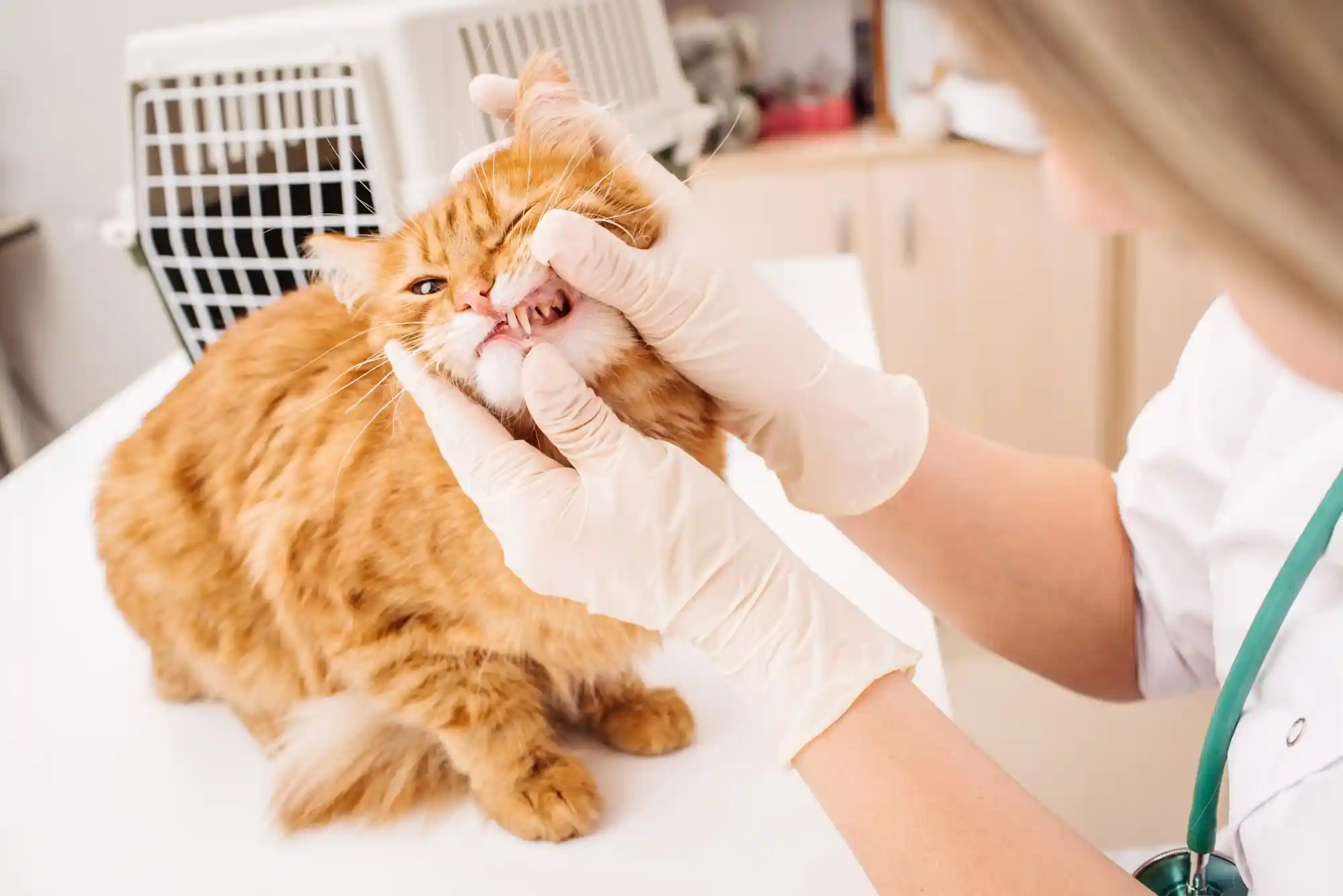
Veterinarians examine the teeth and gums for damaged areas, inflammation, and signs of sensitivity. However, a visual examination may not reveal the full extent of the disease.
Dental X-rays taken under anesthesia are often essential. They help identify resorption beneath the gumline and show how deeply the tooth has been affected.
These images also help veterinarians choose the appropriate treatment. Different types of tooth resorption require different extraction approaches. Therefore, accurate imaging is important for safe and effective care.
Gingivitis vs. Tooth Resorption: Understanding the Difference
Gingivitis primarily affects the gum tissue. Its common signs include redness, swelling, and bleeding around the teeth. When plaque is the main cause, professional cleaning and consistent dental care may improve the condition.
Tooth resorption affects the tooth itself. The damage can progress beneath the gums and expose sensitive structures. Treatment commonly involves removing the affected tooth or using another appropriate surgical approach determined by dental X-rays.
Both conditions can cause bad breath, reduced appetite, and difficulty chewing. They can also occur together, making diagnosis more complicated.
The important distinction is that gingivitis may improve with appropriate cleaning and treatment, while resorbed tooth structure cannot be restored. A veterinarian should assess any persistent oral symptoms.
How Are These Dental Conditions Treated?
Treatment depends on the diagnosis, severity, and your cat’s overall health. Your veterinarian will recommend an approach based on examination findings and dental imaging.
Treating Gingivitis
When plaque-related gingivitis is present, professional dental cleaning is often recommended. This procedure removes plaque and tartar from the teeth, including areas that are difficult to reach at home.
Severe inflammation may require additional investigation or treatment. If an underlying infection or medical condition contributes to the problem, that issue must also be addressed.
Antibiotics are not automatically necessary for every case of gingivitis. Veterinarians prescribe medication when clinically appropriate rather than relying on antibiotics alone.
After treatment, regular home dental care can help control plaque accumulation. However, persistent or recurrent inflammation requires further veterinary assessment.
Treating Tooth Resorption
Unfortunately, tooth resorption cannot be reversed with brushing, dental treats, or medication. Affected teeth often require extraction because the condition causes progressive damage and pain.
The exact procedure depends on the tooth’s appearance on dental X-rays. Some cases require complete extraction, while selected cases may qualify for a specialized technique called crown amputation with intentional root retention.
Crown amputation is appropriate only for certain resorption patterns. A veterinarian must evaluate the roots and surrounding tissues before choosing this approach.
Cats generally recover well after appropriate dental treatment. Your veterinarian may prescribe pain relief and recommend soft food during recovery. Follow all discharge instructions and attend any recommended follow-up appointments.
How to Maintain Good Cat Dental Health at Home
Consistent home care can reduce plaque buildup and support healthier gums. However, it cannot guarantee protection against tooth resorption or every other dental disease.
Brushing your cat’s teeth with a cat-specific toothbrush and veterinary toothpaste is a useful preventive measure. Introduce brushing gradually, allowing your cat to become comfortable with handling around the mouth.
Never use human toothpaste. Some ingredients can be harmful to cats, and human formulations are not intended for pets to swallow.
If brushing is difficult, ask your veterinarian about suitable alternatives. Products carrying Veterinary Oral Health Council acceptance may help control plaque or tartar when used as directed.
Dental diets and approved oral-care products can complement brushing. Nevertheless, they do not replace veterinary examinations or professional treatment when disease is present.
Schedule regular dental assessments according to your veterinarian’s recommendations. Cats with previous dental disease may need more frequent monitoring.
Most importantly, do not attempt to scrape tartar or remove a damaged tooth at home. These procedures can cause pain, injury, infection, or additional complications.
When Should You Take Your Cat to the Veterinarian?
Arrange a veterinary appointment if your cat has persistent bad breath, red gums, drooling, or difficulty chewing. Changes in eating habits may also indicate dental pain, even when the teeth appear normal.
Seek prompt veterinary attention if your cat refuses food, develops significant mouth bleeding, or appears to be in severe pain. Difficulty swallowing or breathing requires emergency care.
Cats that stop eating can develop additional health complications. Therefore, do not assume that appetite changes are simply signs of aging or picky behavior.
Early diagnosis often makes treatment planning easier and helps prevent unnecessary discomfort. Regular examinations are especially important because cats frequently conceal signs of pain.
Frequently Asked Questions
Can gingivitis in cats be cured?
Gingivitis caused primarily by plaque can often improve with professional dental cleaning and consistent home care. However, the outcome depends on the underlying cause. Persistent inflammation may require further investigation and treatment.
What are the first signs of tooth resorption in cats?
Early tooth resorption may produce no visible symptoms. As it progresses, cats may develop chewing difficulties, drooling, jaw chattering, or sensitivity around the mouth. Dental X-rays are often necessary to detect hidden lesions.
Is tooth resorption painful for cats?
Yes, tooth resorption can be very painful, particularly when sensitive tooth structures become exposed. Some cats continue eating despite significant discomfort. Appropriate veterinary treatment can relieve pain and improve their quality of life.
How can I keep my cat’s teeth healthy?
Brush your cat’s teeth regularly with veterinary toothpaste when possible. Combine home care with suitable dental products and routine veterinary examinations. These measures help control plaque but cannot prevent every dental condition.
Do cats need professional dental cleaning?
Many cats benefit from professional dental cleaning when plaque, tartar, or gum inflammation develops. Your veterinarian can assess the need for cleaning and recommend an appropriate schedule. Dental X-rays may be necessary when hidden disease is suspected.
Conclusion
Cat dental health deserves the same attention as nutrition, exercise, and routine veterinary care. Gingivitis can cause inflamed, bleeding gums, while tooth resorption gradually damages teeth and often requires extraction.