Introduction
Why is my cat peeing outside the litter box? This is a common concern among cat owners. Finding urine on carpets, furniture, or bedding can feel frustrating. However, this behavior usually signals an underlying problem rather than deliberate misbehavior.
Your cat might experience medical discomfort, stress, or dissatisfaction with its litter box. Sometimes, even a small environmental change can affect bathroom habits. Therefore, understanding the cause is essential before attempting a solution.
If your cat suddenly starts urinating outside its usual spot, pay attention. Changes in urination can indicate urinary tract problems or other medical conditions. Early action helps protect your cat’s health and restore appropriate litter habits.
This guide explains seven common causes and practical solutions to help your cat.
Why Is My Cat Peeing Outside the Litter Box?
Cats generally prefer clean, comfortable, and accessible bathroom areas. When something makes their litter box unpleasant, they may choose another location.
However, medical conditions can also cause inappropriate urination. Your cat might associate the litter box with pain and begin avoiding it. Identifying the reason requires observing your cat’s behavior and checking for additional symptoms.

Let’s explore the most common causes and their solutions.
Medical Problems or Urinary Tract Issues
Medical conditions are among the most important reasons cats urinate outside their litter boxes. Urinary tract inflammation, bladder stones, kidney disease, and diabetes can change urination habits.
A cat experiencing bladder discomfort may repeatedly visit the litter box. It might strain, produce small amounts of urine, or cry while urinating. Some cats begin peeing on soft surfaces because they associate their regular box with discomfort.
How to Solve the Problem
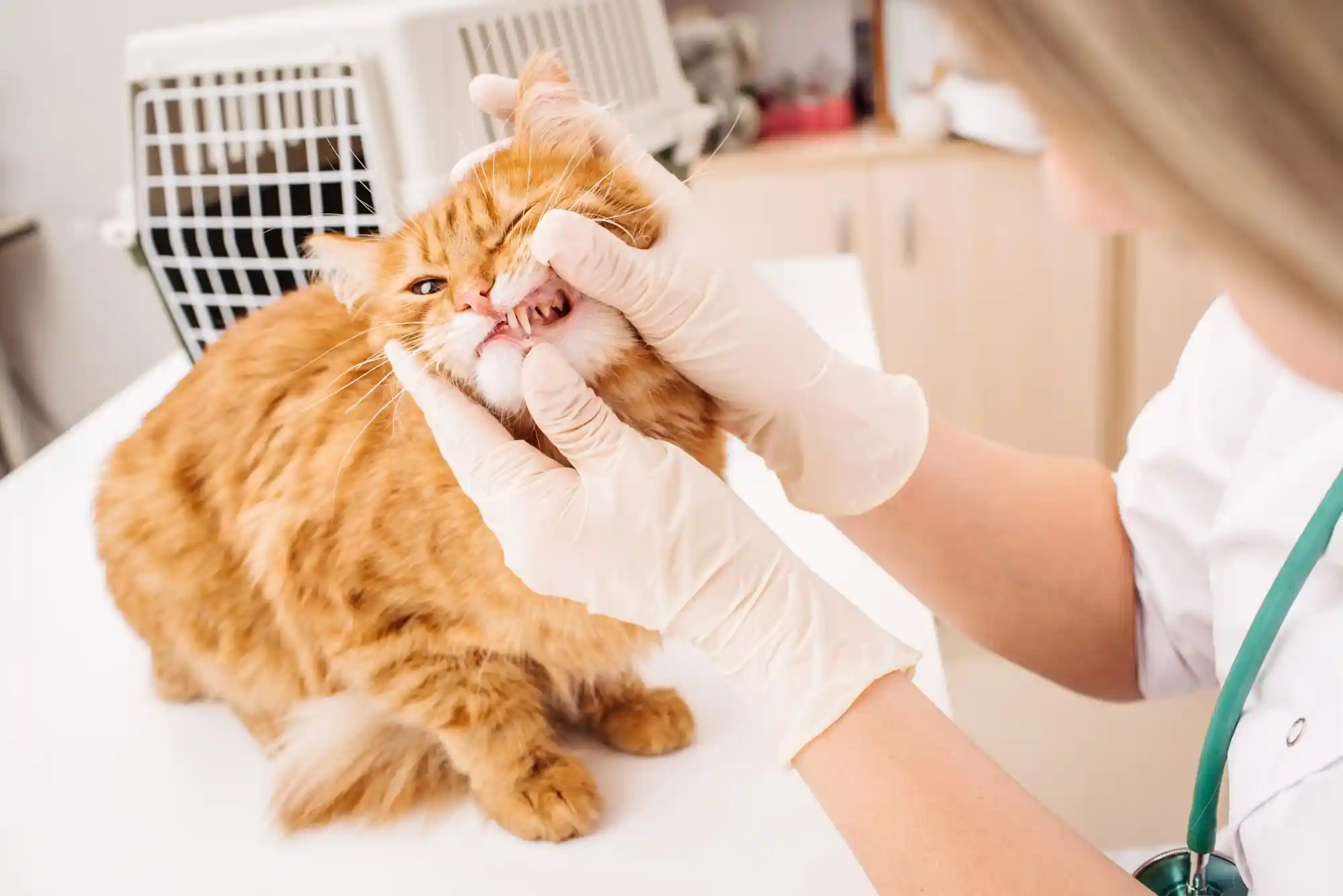
Arrange a veterinary examination when inappropriate urination begins, especially if the change is sudden. Your veterinarian may recommend a urinalysis, blood tests, or imaging based on your cat’s symptoms.
Never assume your cat is misbehaving before checking its health. Treatment depends on the underlying condition.
Important: If your cat repeatedly strains but produces little or no urine, seek emergency veterinary care immediately. A urinary blockage can become life-threatening, particularly in male cats.
A Dirty or Unpleasant Litter Box
Cats often avoid litter boxes that contain excessive waste. Their sensitive noses can detect odors that humans barely notice.
A box that looks acceptable to you might still feel unpleasant to your cat. Strong-smelling cleaning products and heavily perfumed litter can also discourage use.
Consequently, your cat may choose a cleaner surface, such as a bathroom floor or freshly washed bedding.
How to Solve the Problem
Scoop waste at least once daily, preferably more frequently. Replace litter regularly according to its type and condition. Wash the box using mild, unscented soap and water.
Avoid strong fragrances, deodorizing powders, and harsh cleaning chemicals. These products may make the bathroom area less appealing.
If you have multiple cats, provide enough litter boxes for everyone. A commonly recommended guideline is one box per cat, plus one extra. Place them in separate, accessible locations whenever possible.
Stress, Anxiety, or Environmental Changes
Cats are sensitive to changes in their surroundings. Moving homes, introducing another pet, welcoming a baby, or changing household routines can trigger stress.
Even rearranging furniture or experiencing construction noise may affect a sensitive cat. Some cats respond by hiding, while others change their eating or bathroom habits.
Stress can also contribute to feline lower urinary tract problems. Therefore, behavioral changes should never automatically be attributed to anxiety alone.
How to Solve the Problem
Create a predictable daily routine for feeding, playtime, and rest. Provide quiet hiding places and elevated areas where your cat feels secure.
Introduce new pets gradually, allowing separate spaces during the adjustment period. Give your cat individual attention without forcing interaction.
Pheromone diffusers may help some cats feel more comfortable. However, persistent urination problems still require veterinary assessment.
The Litter Box Is Too Small or Difficult to Access
A litter box that feels cramped can discourage regular use. Larger cats often need additional space to turn around, dig, and cover their waste comfortably.
Older cats may also struggle with high-sided boxes because arthritis makes climbing painful. Kittens can experience similar difficulties with boxes designed for adult cats.
Additionally, a box placed behind a closed door or near noisy appliances may be difficult to access.
How to Solve the Problem
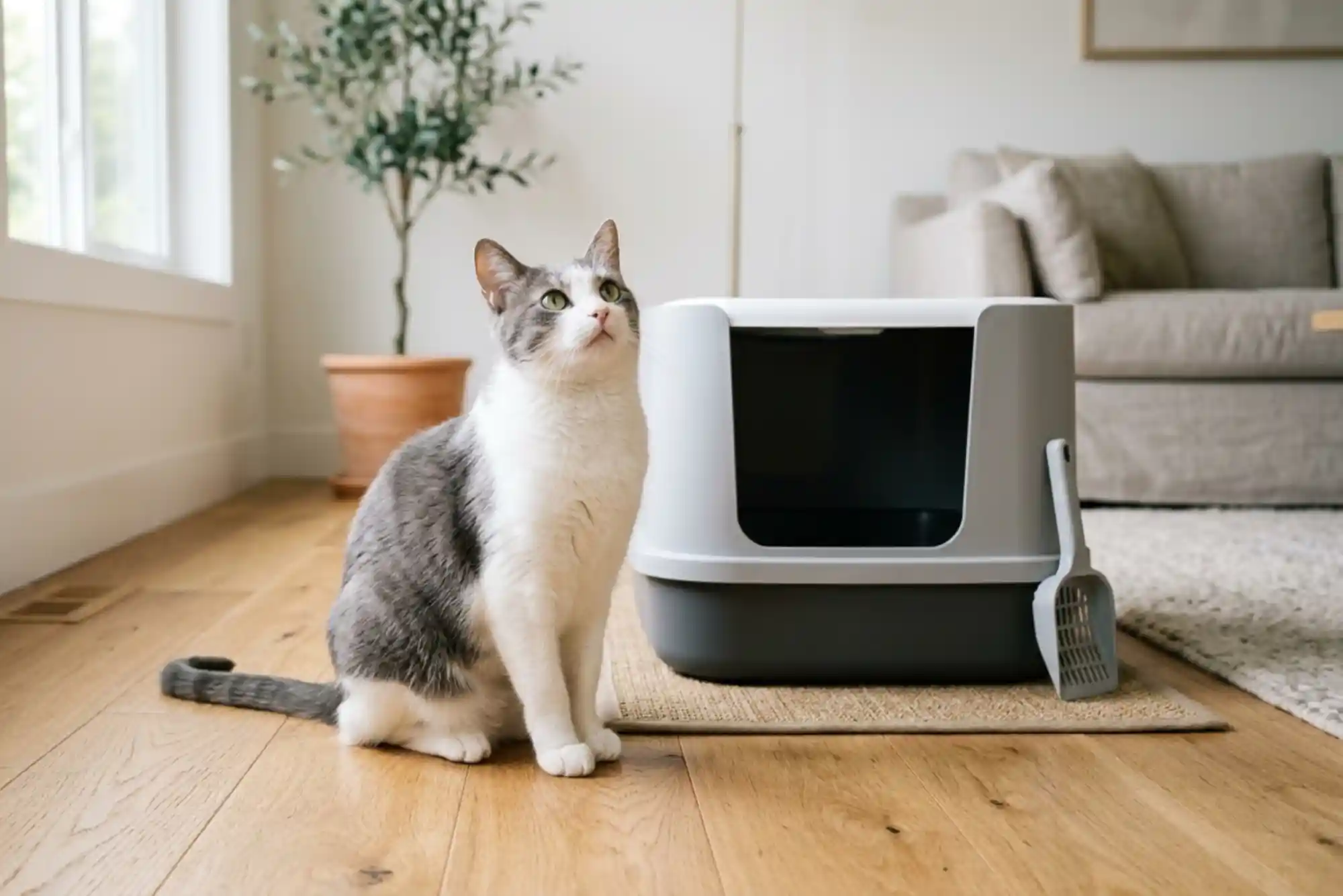
Choose a box that allows your cat to enter, turn, and dig comfortably. A larger, uncovered box may work better for cats that dislike enclosed spaces.
For senior cats, consider a low-entry design. Keep the box away from washing machines, loud equipment, and busy walkways.
Ensure your cat can reach its litter box at all times. Homes with multiple floors may benefit from a box on each level.
Your Cat Dislikes the Litter Type
Not every cat prefers the same litter texture or material. Some dislike large pellets, while others avoid scented or dusty products.
The depth of the litter can also influence comfort. Certain cats enjoy digging deeply, while others prefer a shallow layer.
If your cat consistently urinates beside the box, the litter itself may be contributing to the problem.
How to Solve the Problem
Try an unscented, fine-textured litter that feels comfortable under your cat’s paws. Many cats prefer soft, sand-like materials.
If you recently changed litter brands, consider returning to the previous product. Alternatively, offer different litter types in separate boxes to identify your cat’s preference.
Make changes gradually rather than replacing everything overnight. This approach helps you identify preferences without creating additional stress.
Territorial Marking or Conflict With Other Cats
Urine marking is different from ordinary urination. Cats may spray small amounts of urine onto vertical surfaces, including walls, furniture, and doors.
Territorial marking can occur when cats feel threatened by unfamiliar animals. Conflict between household cats can also create insecurity around shared resources.
Unneutered cats are particularly likely to mark territory. However, neutered cats can display this behavior, too.
How to Solve the Problem
Identify possible territorial triggers, including outdoor cats visible through windows. Block threatening views when necessary and provide separate resting, feeding, and bathroom areas.
In multi-cat households, ensure each cat has access to resources without confrontation. Add separate litter boxes, scratching posts, and hiding spaces.
Spaying or neutering may reduce hormone-related marking. If conflict continues, consult your veterinarian or a qualified feline behavior professional.
Clean marked areas thoroughly with an enzymatic urine cleaner. Ordinary household cleaners may leave odor traces that encourage repeated marking.
Negative Experiences or Changes in Routine
Sometimes, cats develop litter box avoidance after an unpleasant experience. Pain during urination, sudden loud noises, or being startled while using the box can create negative associations.
A cat may then choose another location that feels safer. Changes in the household schedule can also disrupt established bathroom routines.
Older cats experiencing cognitive changes may become confused about familiar locations. Mobility limitations can make reaching the box difficult, too.
How to Solve the Problem
Make the litter area calm, accessible, and predictable. Avoid punishing your cat for accidents, as punishment can increase fear and anxiety.
Place a suitable litter box near the area your cat frequently chooses. Once your cat consistently uses it, you may gradually move the box toward a more convenient location.
Reward appropriate behavior with gentle praise or treats when suitable. If accidents continue, seek veterinary advice to rule out medical and age-related causes.
How to Clean Cat Urine and Prevent Repeat Accidents
Cleaning urine correctly helps prevent recurring accidents. Cats may return to previously marked areas when they can still detect their scent.
Blot fresh urine with absorbent paper towels. Avoid rubbing, which can spread the urine deeper into carpet fibers.
Apply a pet-safe enzymatic cleaner according to its label. These cleaners help break down urine residues that ordinary products may leave behind.
Avoid ammonia-based cleaners because their smell can resemble components of urine. Never mix cleaning chemicals, particularly bleach with ammonia or acidic products.
For mattresses, carpets, and upholstered furniture, follow the material’s cleaning instructions. Keep your cat away until the area is safe and completely dry.
Continue monitoring your cat’s bathroom habits after cleaning. Repeated accidents may indicate an unresolved medical, environmental, or behavioral problem.
When Should You Contact a Veterinarian?
Contact your veterinarian if your cat suddenly begins urinating outside the litter box. An examination is especially important when accidents become frequent or your cat’s normal habits change.
Watch for blood in the urine, excessive thirst, frequent urination, weight loss, or discomfort. These symptoms may indicate conditions requiring prompt treatment.
Repeated straining with little or no urine requires emergency care. Do not wait for the symptoms to improve on their own.
Keep notes about your cat’s urination frequency, urine volume, appetite, and behavior. This information can help your veterinarian identify possible causes more efficiently.
Frequently Asked Questions
Why is my cat suddenly peeing outside the litter box?
Sudden urination changes may indicate bladder inflammation, urinary tract disease, stress, or litter box problems. Arrange a veterinary examination to identify the cause before making behavioral assumptions.
How do I stop my cat from peeing outside the litter box?
Start by ruling out medical problems. Keep the litter box clean, provide an accessible location, reduce stress, and use litter your cat prefers. Clean previous accidents with an enzymatic cleaner.
Why is my cat peeing on my bed?
Beds offer soft surfaces and familiar scents. A cat might urinate there because of urinary discomfort, anxiety, or litter box aversion. Persistent or sudden behavior warrants veterinary assessment.
Do cats pee outside the litter box when they are angry?
Cats do not generally urinate outside the litter box to punish their owners. Medical discomfort, stress, territorial marking, and environmental problems are more likely explanations.
Should I punish my cat for peeing outside the litter box?
No. Punishment can increase stress and make litter box avoidance worse. Instead, identify the underlying cause, improve the environment, and seek veterinary guidance when needed.
Can changing cat litter cause inappropriate urination?
Yes. A new litter’s texture, fragrance, or dust level may discourage your cat from using the box. Introduce alternatives gradually and observe which type your cat prefers.
Conclusion
Understanding why your cat is peeing outside the litter box is the first step toward solving the problem. Medical conditions, dirty litter, stress, unsuitable boxes, and territorial marking can all contribute.