Introduction
Cats are masters of disguise. In the wild, showing weakness makes a feline an easy target for predators. Because of this evolutionary trait, domestic cats often hide their discomfort until it becomes severe. Learning how to tell if your cat is in pain: subtle signs of feline sickness requires careful observation and a deep understanding of your pet’s normal routine. Recognizing these early clues can protect your furry companion from prolonged suffering and serious illness.
Understanding Feline Behavior and Pain Masking
Spotting pain in cats is difficult because they rarely cry out or whine when they hurt. Instead, they tend to withdraw quietly and change their daily habits. Pet parents often miss these early shifts, assuming their cat is just getting older or lazier. However, any sudden shift in personality or routine should raise a red flag. Paying close attention to minor adjustments in behavior helps you catch health problems before they escalate.
Spotting Behavioral Shifts and Withdrawal
Behavioral changes are often the very first indicator that your cat is hurting. A social cat that suddenly stops greeting you at the door may be experiencing underlying distress. Many cats will hide under beds, inside closets, or behind furniture for hours on end. This self-isolation is a classic coping mechanism for a sick animal.
You might also notice unexpected aggression. If your gentle cat hisses or swats when you pet their back, it usually means touch causes discomfort. Pain lowers their tolerance threshold significantly. Conversely, some cats become unusually clingy and vocal, demanding constant attention because they feel vulnerable.
Noticing Alterations in Grooming Habits
Cats spend a massive portion of their waking hours keeping their fur clean and pristine. When a cat stops grooming, it is a powerful sign that something is wrong. Joint stiffness or arthritis can make it physically impossible for them to twist into normal cleaning positions. This results in an unkempt, matted, or greasy coat, especially around the lower back and tail.
On the flip side, some cats overgroom a single spot. If your cat constantly licks or chews at one specific leg or patch of skin, they are trying to soothe localized pain. This obsessive behavior often leads to bald patches, red skin, and secondary infections.

Recognizing Mobility Issues and Posture Changes
Physical movement reveals a lot about a cat’s internal comfort levels. If your cat hesitates before jumping onto the sofa or stops climbing their favorite cat tree entirely, they likely have sore joints. They may also adopt a hunched posture while resting, tucking their paws and abdomen tightly inward instead of lounging in a relaxed sphinx position.
Stiff limbs and a reluctance to use stairs point straight toward mobility problems. Even minor changes in how your cat walks can expose hidden injuries. Watching how they navigate your home gives you vital clues about their physical well-being.
Interpreting Litter Box Habits and Appetite Drops
Litter box avoidance is another major warning sign. If a cat experiences hip, spine, or knee pain, stepping over high plastic walls becomes an agonizing chore. They may start eliminating right outside the box because entering it hurts too much. Urinary tract infections and internal discomfort also make the litter box an unpleasant place to visit.
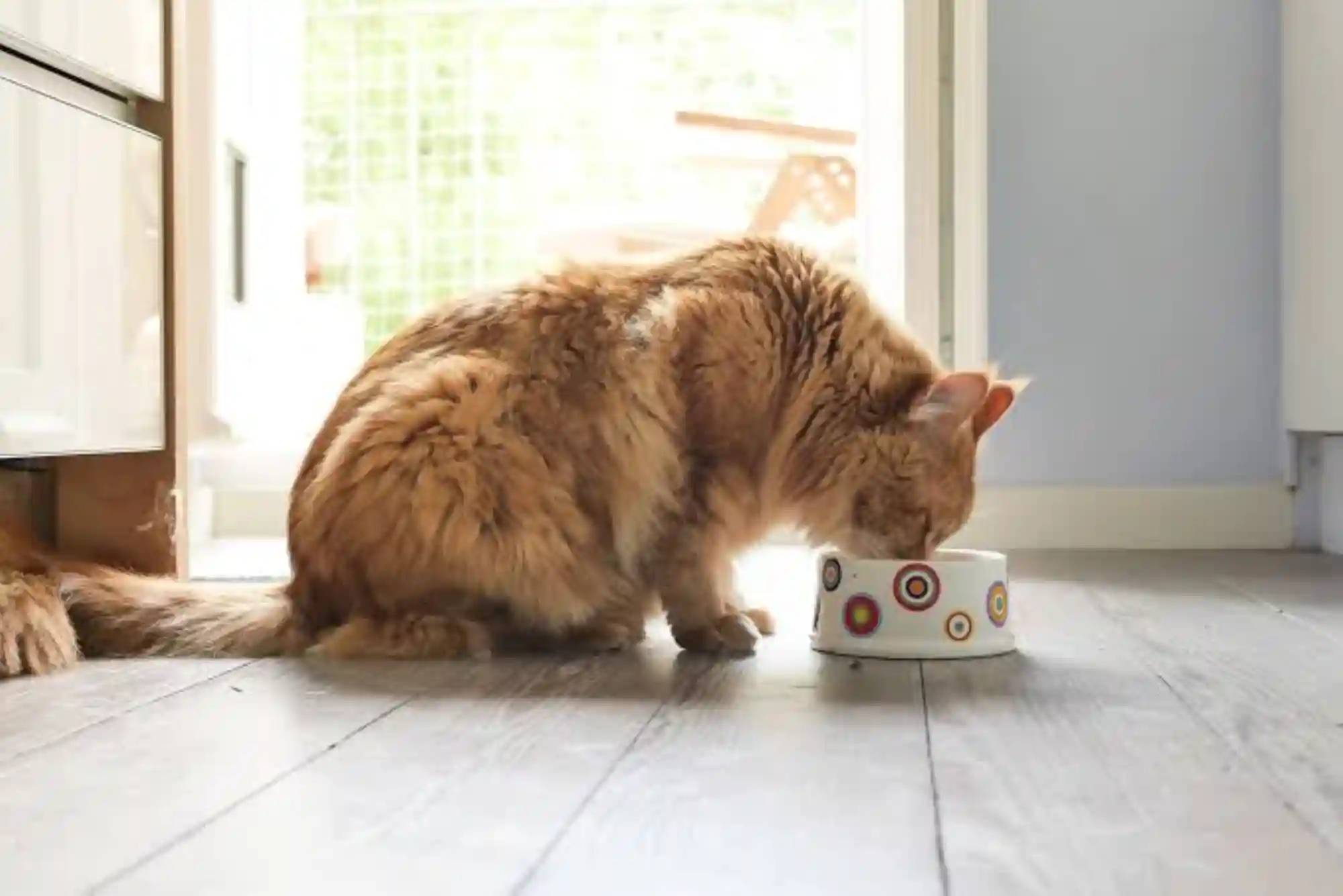
Appetite changes go hand in hand with physical sickness. A cat with dental disease will drop food from its mouth, chew on only one side, or refuse hard kibble altogether. General systemic pain saps their overall drive to eat, leading to rapid weight loss and weakness.
Reading Facial Micro Expressions and Breathing
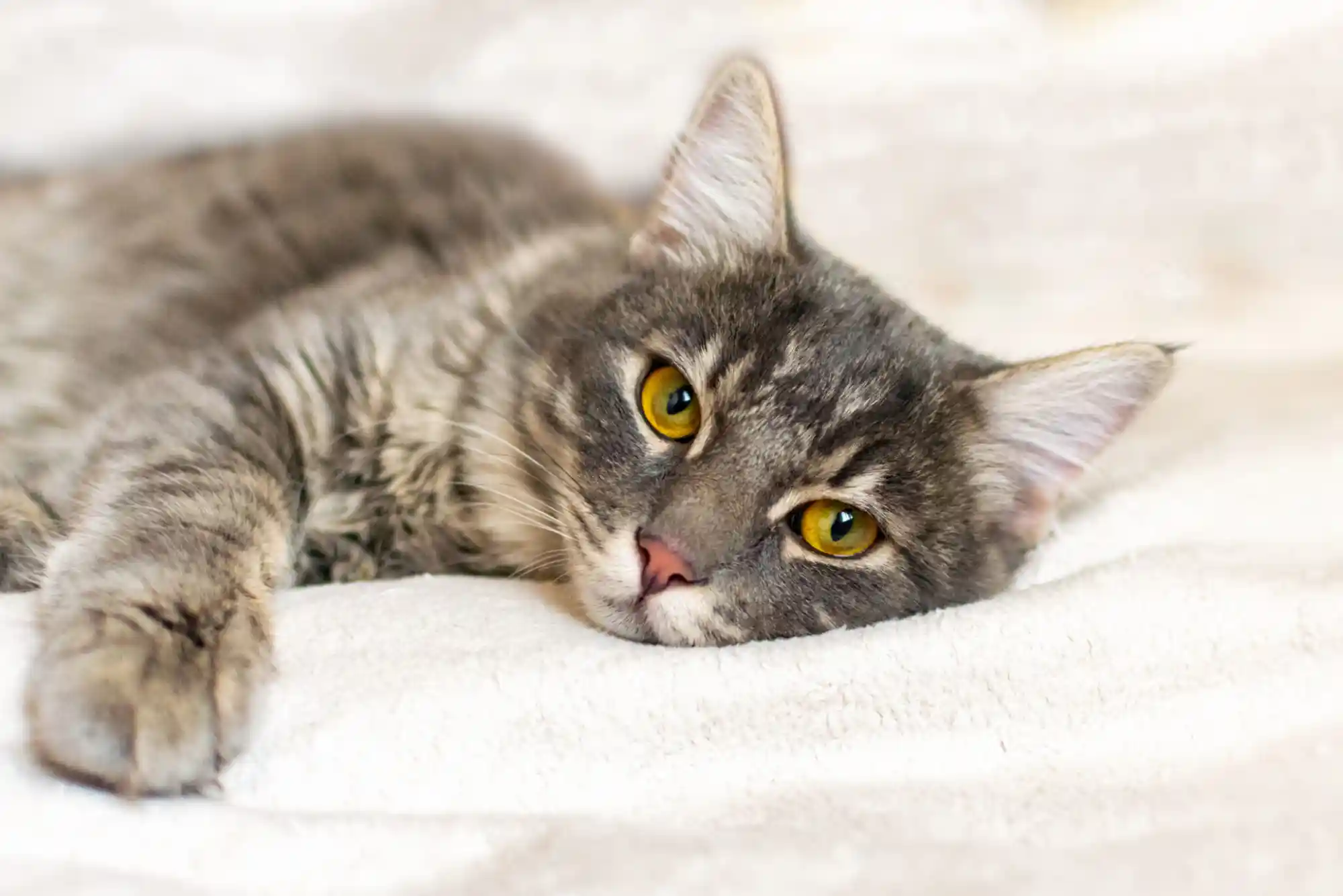
Veterinarians now use tools like the Feline Grimace Scale to evaluate pain through facial features. A cat in pain often has narrowed or squinted eyes, flattened ears, and a tense muzzle. Their whiskers might be pulled tightly forward or drawn straight back against the cheeks instead of resting loosely.
Respiration rates can also shift. Fast, shallow breathing or panting while at rest indicates intense stress, trauma, or severe pain. If you notice your cat panting like a dog, contact an emergency veterinarian right away.
Conclusion
Detecting discomfort early requires vigilance, love, and a keen eye for detail. Because cats hide their suffering so effectively, you must act as their ultimate advocate. If you notice any of these subtle physical or behavioral shifts, schedule a veterinary visit immediately. Never give your cat human pain medications, as common drugs like ibuprofen or acetaminophen are toxic to felines. Professional diagnosis ensures your companion receives safe, targeted relief.
Take a moment today to closely observe your cat’s routine, posture, and mood. If anything feels unusual, reach out to your local veterinarian to book a comprehensive health checkup.
Frequently Asked Questions
How can I tell if my cat is in pain if they are still eating?
Many cats will continue to eat even when experiencing chronic pain, such as mild arthritis or toothaches. Eating is a basic survival instinct, so relying on appetite alone is not enough. You must look for other indicators like reduced mobility, changes in grooming, or hiding behavior.
Do cats purr when they are in pain?
Yes. While purring usually signifies happiness, cats also purr to self-soothe when they feel frightened, stressed, or sick. If your cat’s purring is accompanied by a hunched posture, hiding, or reluctance to move, it likely communicates pain rather than contentment.
What are the signs of dental pain in cats?
Dental pain signs include dropping food while eating, chewing on only one side of the mouth, bad breath, excessive drooling, and pawing frantically at the face or mouth. Affected cats may also show a sudden disinterest in crunchy treats or hard kibble.
Can I give my cat aspirin or ibuprofen for pain?
No, you should never give human pain medications to a cat. Drugs like ibuprofen, acetaminophen, and aspirin are highly toxic to felines and can cause fatal organ damage. Always consult your veterinarian for safe, species-appropriate pain relief options.
Related Reading: Feline Diabetes Symptoms: Excessive Thirst, Weight Loss, and Insulin
Related Reading: Wet vs Dry Cat Food: Which Is Better for Feline Longevity?
Related Reading: Cat Dental Health: Signs of Gingivitis and Tooth Resorption