Introduction
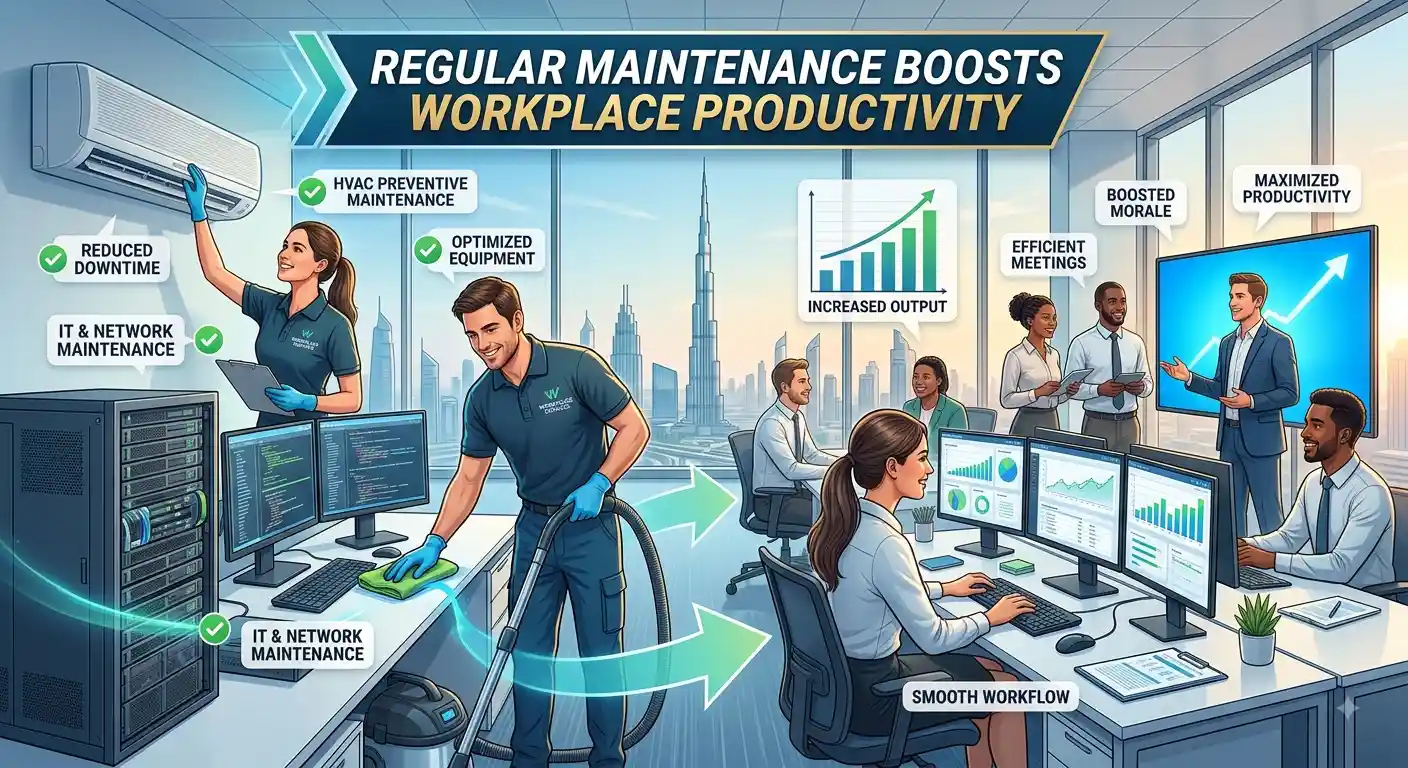
Workplace productivity is influenced by many factors, including employee performance, technology, working conditions, and the reliability of the systems used every day. Even highly productive teams can lose valuable time when essential equipment repeatedly develops faults or stops working.
A well-planned maintenance strategy helps businesses keep their working environment functional and dependable. An annual maintenance contract can provide a structured approach by arranging regular inspections and servicing instead of waiting for equipment to fail.
For businesses where technical problems can interrupt daily activities, consistent maintenance can become an important part of operational planning.
Equipment Problems Can Interrupt Employee Work
Employees often depend on equipment and building systems to complete their responsibilities.
A faulty air conditioning system can make a workplace uncomfortable. Electrical problems can affect computers and other devices, while equipment failures can stop production or delay important tasks.
When these problems occur repeatedly, employees may spend time reporting faults, waiting for repairs, moving to alternative work areas, or finding temporary solutions.

Regular maintenance can help reduce some of these avoidable interruptions.
A Reliable Workplace Supports Better Workflow
Smooth workflow depends partly on having functional equipment available when employees need it.
When systems operate consistently, staff can focus on their normal responsibilities rather than dealing with repeated technical issues.
An annual maintenance contract can support this consistency through scheduled servicing and inspections.
Instead of arranging maintenance only after a failure occurs, businesses can establish a recurring service schedule designed around their equipment and operating requirements.
Preventive Checks Can Identify Problems Earlier
Many equipment problems develop gradually.
A system may begin producing unusual sounds, operating less efficiently, overheating, leaking, or showing other warning signs before it completely fails.
During planned inspections, technicians can look for these conditions and recommend corrective action.
Early attention does not guarantee that a breakdown will never occur, but it can reduce the likelihood that small problems will remain unnoticed until they become more disruptive.
Maintaining Comfortable Working Conditions
The physical workplace can have a direct effect on how employees perform their duties.
Cooling, ventilation, lighting, plumbing, and electrical systems all contribute to a functional working environment.
For example, unreliable climate control can create uncomfortable conditions, particularly during periods of extreme temperatures.
Regular servicing of building systems helps businesses maintain a more consistent environment and respond to developing technical problems.
Reducing Unplanned Downtime
Unplanned downtime can affect more than a single piece of equipment.
A failure may interrupt several connected processes and prevent employees from completing their work.
For businesses with production lines, commercial facilities, warehouses, or technical operations, these interruptions can become expensive.
An annual maintenance contract can provide scheduled preventive attention that aims to reduce the risk of avoidable equipment failures.
Helping Employees Avoid Repeated Disruptions
Repeated minor faults can be surprisingly disruptive.
An employee may lose only a few minutes each time a system develops a problem, but those interruptions can accumulate over weeks and months.
Maintenance records can help identify equipment that repeatedly causes operational difficulties.
Instead of continuing to address the same symptom, businesses can investigate the underlying cause and determine whether more comprehensive repair or replacement is necessary.
Supporting Efficient Use of Business Resources
Maintenance also affects how efficiently businesses use their resources.
Employees should ideally spend their working hours on activities that contribute directly to business objectives.
When staff regularly become involved in equipment troubleshooting or arranging emergency repairs, their time is diverted from those responsibilities.
A structured maintenance process can give businesses a clearer system for handling technical issues and coordinating professional support.
Keeping Business Technology Available
Modern workplaces rely heavily on technology.
Computers, network-related equipment, security systems, office appliances, climate control, and electrical infrastructure all depend on reliable supporting systems.
Although specialized IT maintenance may require a separate service arrangement, the physical infrastructure supporting technology should also receive appropriate attention.
Reliable power, cooling, and environmental conditions can help businesses maintain continuity across their technical operations.
Maintenance Can Support Production Efficiency
For manufacturing and industrial businesses, equipment reliability is particularly important.
A machine that operates below its expected performance may affect output, quality, or production schedules.
Preventive inspections can help identify signs of wear and performance changes before they create larger operational problems.
A suitable service plan should be developed according to the manufacturer’s recommendations, operating conditions, and the importance of each machine.
Keeping Critical Facilities Operational
Some businesses operate facilities where even a short interruption can create significant consequences.
Hotels, warehouses, retail properties, factories, and large offices may depend on several interconnected systems.
A maintenance provider can help monitor these assets and establish appropriate service intervals.
For businesses with critical infrastructure, an annual maintenance contract may offer a practical way to organize recurring technical support and preventive servicing.
Better Maintenance Records Improve Planning
Good maintenance documentation provides businesses with information that can be used for future decisions.
Reports can show which equipment has required repeated attention, which components have been replaced, and whether certain systems are becoming increasingly unreliable.
Managers can use this information when preparing maintenance budgets or planning equipment upgrades.
This makes maintenance more than a repair activity; it becomes part of long-term operational planning.
Supporting Employee Confidence
Employees are more likely to work efficiently when they can rely on the systems and equipment around them.
Frequent technical failures can create frustration and uncertainty, particularly when employees do not know when a problem will be resolved.
A clear process for reporting faults and arranging maintenance gives staff greater confidence that technical problems will be handled appropriately.
Choosing the Right Service Provider
The effectiveness of a maintenance program depends on the quality of the provider.
Businesses should look for technicians with relevant experience and knowledge of the equipment they are expected to service.
Response times, communication, reporting, service coverage, and technical capability should also be considered.
A provider that understands the business environment can often develop a more suitable maintenance schedule.
Measuring the Impact of Maintenance
Businesses can evaluate whether their maintenance strategy is working by monitoring practical indicators.
These may include equipment downtime, frequency of breakdowns, emergency repair requests, recurring faults, and maintenance expenditure.
Comparing this information over time can help managers identify whether preventive servicing is improving reliability.
If problems continue despite regular maintenance, the company may need to reconsider equipment condition, operating practices, or the scope of the service arrangement.
Maintenance Should Support Business Objectives
The goal of maintenance is not simply to keep technicians busy.
It should support wider business objectives such as reliable operations, employee productivity, asset protection, cost control, and customer service.
This is why maintenance schedules should be based on operational priorities rather than applying the same approach to every asset.
Critical systems deserve greater attention because their failure can have a greater effect on the business.
Final Thoughts
Reliable equipment and functional workplace systems provide an important foundation for productive business operations. When technical problems become frequent, employees can lose valuable time and businesses may face unnecessary interruptions.
An annual maintenance contract can help companies move from a reactive approach toward planned inspections and scheduled servicing. By monitoring equipment condition, maintaining critical systems, and keeping useful service records, businesses can create a more organized maintenance process.
The most effective strategy is one that reflects the company’s actual equipment, operating environment, and risk level. With appropriate planning and professional support, regular maintenance can contribute to a more dependable workplace and help employees remain focused on their primary responsibilities.
Related Reading: Unlocking the Potential of Dedicated Hosting in the Middle East — full guide
Related Reading: The Ultimate Guide to Shopping Luxury Fashion on a Budget — full guide
Related Reading: Level Up Your Productivity This Ramadan: Why the 2026 Tech Season is More Than Just Discounts
Related Reading: Vaporesso XROS Review: A Sleek Pod Upgrade
Related Reading: هل جهاز كشف الذهب يعمل بدون سماعات؟ — full guide
Related Reading: Caliburn AK3 Review: Compact Innovation