Graphic design is one of the most in-demand careers in Pakistan’s digital economy. From branding agencies in Karachi to freelance markets in Lahore and Islamabad, skilled designers are earning well by serving both local and international clients. However, not every designer reaches their full income potential. Understanding the strategies that can enhance the salary of graphic designer in Pakistan is crucial for long-term success. This guide explores actionable tips, government programs, and global insights that can help boost earnings in this competitive field.
Why Graphic Designers Earn Differently in Pakistan
Quick Answer: Salaries vary based on skill level, tools, experience, and location.
Designers in Karachi and Lahore often earn more due to exposure to advertising agencies and IT firms. Meanwhile, freelancers in Faisalabad or Multan may rely more on global clients through Fiverr and Upwork. Pay also depends on:
-
Proficiency in advanced tools like Adobe Illustrator, Photoshop, and Figma
-
Specialization in niches such as motion graphics or UI/UX design
-
Ability to work on international projects with higher budgets
-
Professional networking and portfolio presentation

Learning High-Income Design Skills
Quick Answer: Specialized design skills open doors to higher-paying opportunities.
To stand out, designers should go beyond basic photo editing. Skills that boost income include:
-
UI/UX design: Websites and mobile apps
-
Motion graphics: Animated ads and video explainers
-
3D design: Product modeling for e-commerce
-
Brand identity creation: Logos, packaging, and full branding kits
The Ignite National Technology Fund has introduced training in UI/UX and digital media, ensuring Pakistani designers stay updated with global trends.
Importance of Freelancing for Designers
Quick Answer: Freelancing provides global exposure and higher earning potential.
Freelancers in Pakistan often earn more than in-house designers. According to Payoneer’s Global Gig Economy Index, Pakistan ranks among the top five freelancing countries. Benefits of freelancing:
-
Access to international clients with higher budgets
-
Flexibility in choosing projects
-
Opportunity to build a personal brand
-
Independence from local job market limitations
Platforms like Fiverr, Upwork, and Behance showcase Pakistani designers’ talent globally.
Role of IT Parks in Supporting Graphic Designers
Quick Answer: IT parks provide infrastructure, mentorship, and networking that help designers grow.
One example is Dhanote IT Park, which offers co-working spaces, digital training, and access to clients. By working in structured ecosystems, designers can:
-
Build connections with startups and agencies
-
Access faster internet and global-standard tools
-
Participate in training workshops
-
Find mentors to guide their career path
Such facilities help freelancers and small businesses transform into design agencies.
Building an International Portfolio
Quick Answer: A strong online portfolio attracts global clients and better salaries.
Pakistani designers who showcase their work on platforms like Dribbble and Behance gain recognition faster. A strong portfolio should include:
-
A variety of projects (logos, posters, UI/UX screens)
-
Testimonials from satisfied clients
-
Case studies showing design impact on business growth
-
Professional presentation and branding of personal profile
How Location Affects Salary Growth
Quick Answer: Designers in major cities like Karachi and Lahore usually earn more due to higher market demand.
For example, a junior designer in Bahawalpur may start with Rs. 30,000 monthly, while in Lahore, the same skillset can bring Rs. 50,000 or more. Freelancers in smaller towns often bypass this gap by focusing on international clients.
Regional example: In the UAE, designers working with Dubai-based agencies often earn double compared to freelancers in smaller emirates like Ajman, due to industry concentration.
Certifications and Training Programs
Quick Answer: Certifications enhance credibility and increase salary prospects.
Popular certifications include:
-
Adobe Certified Expert (ACE)
-
Google UX Design Certificate
-
DigiSkills Program (Pakistan government-backed)
-
Coursera and Udemy specialized courses
Government initiatives like DigiSkills have already trained over 2 million youth, with many becoming successful freelance designers.
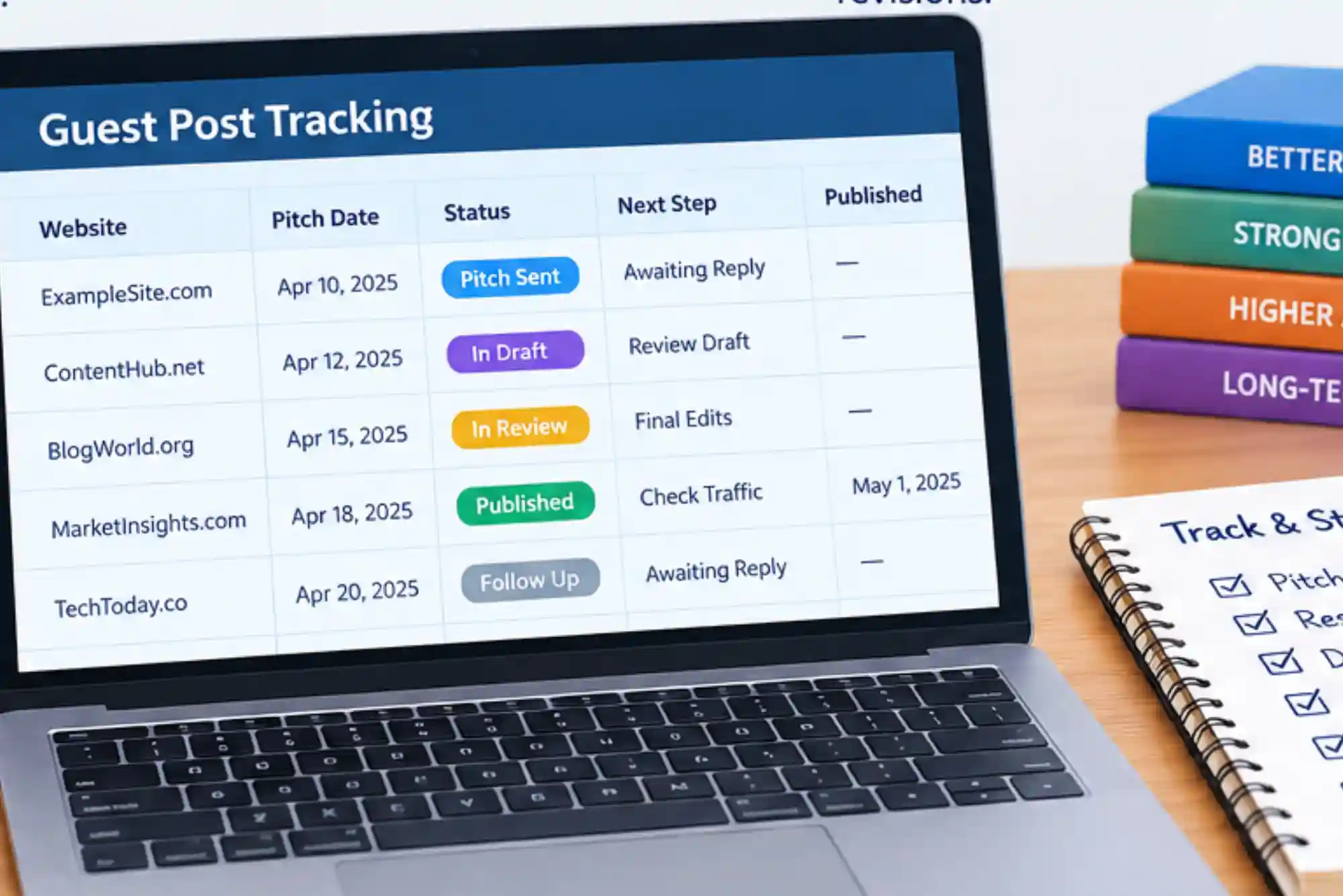
Negotiating Better Salaries
Quick Answer: Confidence, research, and showcasing results help secure higher pay.
Tips for negotiating:
-
Research market salaries for your role and location
-
Highlight measurable results (e.g., “increased client’s brand engagement by 30%”)
-
Present a strong portfolio before discussing salary
-
Offer long-term value rather than one-off services
As the CEO of Ignite noted in a recent forum, “Designers who demonstrate measurable business impact are the ones who get paid top dollar.”
FAQs
1. What is the average salary of a graphic designer in Pakistan?
It ranges from Rs. 25,000 for beginners to Rs. 150,000+ for experienced professionals.
2. Do freelancers earn more than in-house designers?
Yes. Freelancers often earn higher by serving international clients.
3. Which design skills are most in demand in 2025?
UI/UX, motion graphics, 3D design, and branding.
4. Are government programs helpful for designers?
Yes. Programs like DigiSkills and Ignite offer training and mentorship.
5. How can designers from smaller towns earn more?
By focusing on freelancing platforms and building strong online portfolios.
6. Do certifications make a difference?
Yes. Certifications from Adobe, Google, or DigiSkills increase credibility.
7. How do IT parks benefit designers?
They provide training, networking, infrastructure, and access to clients.
Final Thought
From my own experience of working with creative teams in Lahore and freelancing communities in Multan, I believe that boosting the income of graphic designers requires a mix of skill upgrades, Global Exposure, and structured support. The salary of graphic designer in Pakistan can significantly increase when professionals focus on specialized skills, certifications, and global clients. Initiatives like Ignite, STZA, and IT parks create an ecosystem where designers can thrive. With dedication and the right resources, Pakistan has the potential to produce world-class designers who compete with the best in Dubai, London, or New York.