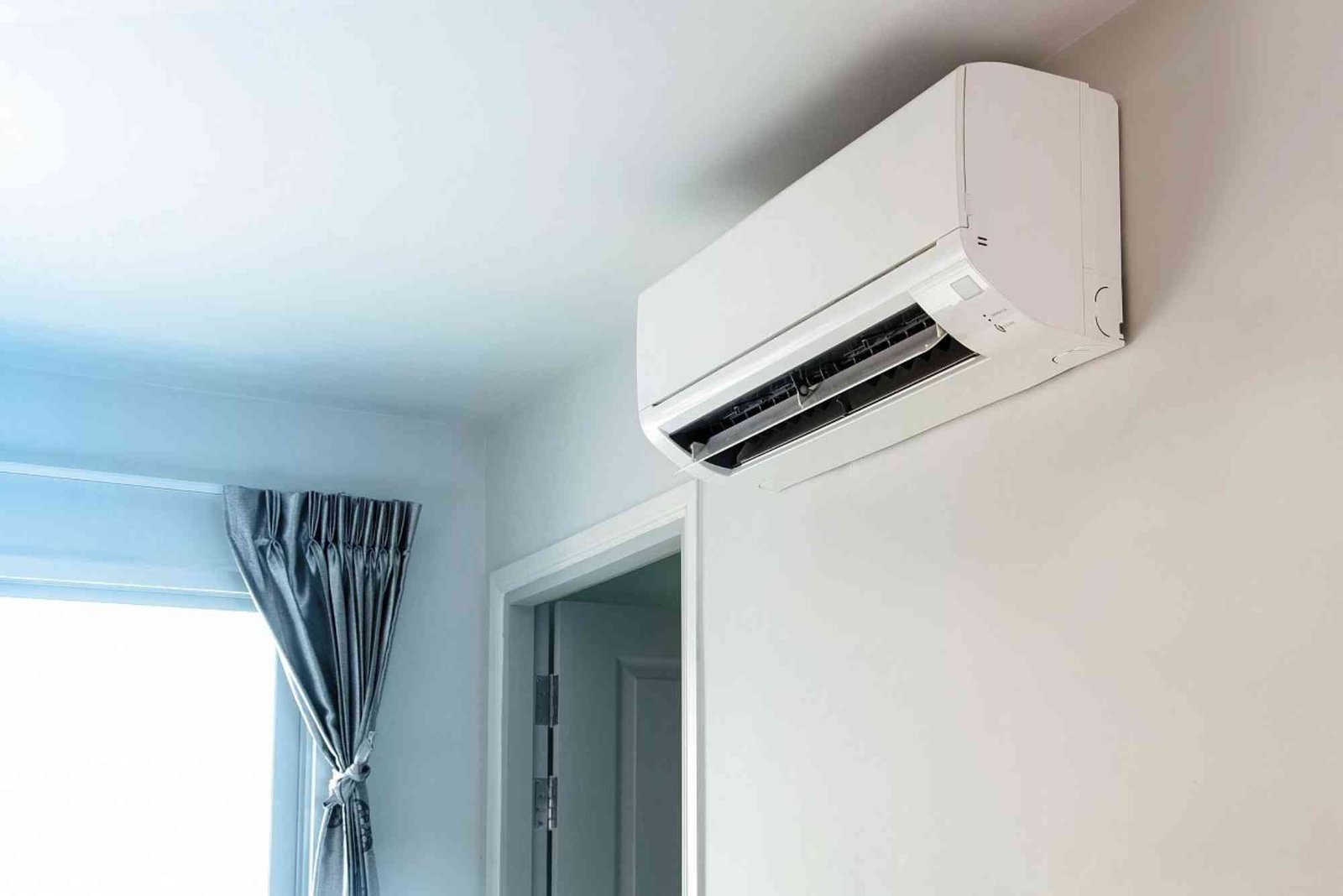
Introduction
Owning a high-performance cooling unit means understanding how to maintain an O General AC system throughout the year to protect your investment. O General air conditioners are widely known for their robust tropical design, heavy-duty compressors, and exceptional cooling capacity in extreme climates. However, even the most durable machinery requires consistent care to operate at peak efficiency. When you neglect routine upkeep, dust accumulation and high operating temperatures force the system to consume more electricity. A proactive maintenance routine prevents sudden breakdowns, lowers monthly utility bills, and extends the overall operating lifespan of your equipment. Whether you manage residential rooms or large commercial spaces, keeping a structured calendar ensures uninterrupted comfort. Partnering with a reliable O General ac Supplier can also provide peace of mind when sourcing authentic replacement parts or scheduling seasonal tune-ups.
Spring Preparation and Pre-Summer Inspection
Spring is the ideal transition period to prepare your cooling unit before soaring outdoor temperatures put heavy demands on the compressor. During these months, focus heavily on checking airflow pathways, electrical connections, and cleaning primary filters. Dust and fine sand particles often settle inside the housing during winter lulls, creating barriers that block smooth air circulation. Inspecting the system early prevents minor issues from transforming into expensive emergency repairs during the peak of summer.
Cleaning and Replacing Air Filters
Air filters trap dust, pollen, and microscopic debris before they penetrate the delicate internal components of your indoor unit. In dusty environments, these filters clog rapidly, forcing the motor to strain and draw excessive electrical current. Open the front panel of your indoor unit every month to inspect the mesh filters. Wash them gently with lukewarm water and mild soap, then allow them to dry completely before reinsertion. Clean filters immediately restore proper airflow and drastically improve indoor air quality for your family or coworkers.
Clearing Outdoor Condenser Coils
The outdoor condenser unit plays a critical role by releasing heat absorbed from indoor spaces into the outside atmosphere. Over time, exterior debris like leaves, sand, and dust coat the condenser coils, severely limiting heat transfer efficiency. Remove any obstructions surrounding the cabinet, ensuring a clearance buffer of at least two feet. Gently rinse accumulated dirt off the metal fins using a low-pressure garden hose, taking care not to bend the delicate aluminum fins.
Summer Peak Operation and Performance Monitoring
Summer places the most intense mechanical stress on your cooling assets, especially when ambient temperatures reach extreme highs. During this demanding season, your primary goal is monitoring daily performance and managing operating loads wisely. Continuous operation means components experience rapid wear, making vigilant observation vital for early fault detection.
Managing Condensate Drainage Systems
Air conditioners remove significant moisture from the air, channeling water away through specialized drain pipes. High humidity promotes algae growth and dust sludge, which can easily clog the drainage line and cause indoor water leaks. Pour a mixture of warm water and a safe anti-algae solution down the drain port periodically during summer. If you notice water pooling near the base of the indoor unit, clear the obstruction immediately to prevent property damage.

Optimizing Thermostat Settings and Airflow
Setting your thermostat to unrealistically low temperatures will not cool your space any faster; it only forces the compressor to run continuously. Maintain a comfortable, balanced indoor setting around 24°C to reduce unnecessary mechanical strain. Keep doors and windows tightly closed while the system runs, and use window blinds to block direct sunlight. For larger properties utilizing complex air distribution networks, consulting a professional ducted ac supplier dubai ensures your airflow balancing and duct sealing remain optimized under heavy summer loads.
Autumn Transition and Deep System Checks
As outdoor temperatures begin to drop slightly, autumn offers a strategic window to evaluate system wear and tear. The continuous cooling marathon of summer leaves behind chemical and mechanical stress that needs professional attention. Addressing these concerns now ensures your system rests safely during milder weather intervals.
Evaluating Refrigerant Levels and Pressures
Refrigerant is the lifeblood of your air conditioner, responsible for absorbing heat and transferring it outdoors. If your system runs continuously but fails to cool effectively, low refrigerant levels caused by micro-leaks could be the culprit. Certified technicians should measure operational pressures using specialized gauges during an autumn check-up. Repairing any minor leaks and recharging the system prevents permanent compressor burnout down the road.
Inspecting Electrical Wiring and Capacitors
Electrical components endure severe voltage fluctuations and extreme heat throughout the long summer months. Loose terminal connections, corroded wires, and failing capacitors are leading causes of sudden air conditioner failure. Technicians must check voltage outputs, test capacitor microfarads, and tighten internal wiring safely. Proactive electrical maintenance protects the motherboard and ensures safe operation when winter heating or sporadic cooling is required.
Winter Maintenance and Off-Season Protection
Even in regions where winters are mild, your air conditioning system still requires strategic off-season management. Reduced usage does not mean complete abandonment, as dormant dust and moisture can still compromise internal mechanisms. Protecting your hardware during these cooler months guarantees a smooth startup when summer returns.
Running Periodic System Test Cycles
Leaving an air conditioner completely turned off for several months can cause internal lubricants to settle and mechanical seals to dry out. Turn on your system for at least fifteen minutes every few weeks during winter, even on cooler days. This brief test cycle circulates oil through the compressor, keeps electronic sensors active, and helps you catch unusual noises early.
Scheduling Comprehensive Professional Servicing
While DIY filter cleaning forms the backbone of day-to-day upkeep, deep technical servicing requires certified expertise. Schedule a comprehensive maintenance appointment with an authorized service provider during the off-season. Professional technicians possess the diagnostic tools needed to deep-clean internal blower wheels, sanitize evaporator coils, and calibrate system logic boards. Investing in expert annual care secures peak energy efficiency and extends your unit’s operational life by years.
Discover useful insights, trending stories, and informative content on a wide range of topics with MyDigest UAE. From lifestyle and business to technology, travel, and everyday interests, the blog offers engaging articles designed to keep readers informed, inspired, and connected with the latest developments.
Conclusion
Maintaining your O General AC system throughout the year requires a balanced mix of regular user habits and professional technical care. By following a seasonal checklist—cleaning filters monthly, clearing outdoor debris, managing thermostat settings, and booking annual tune-ups—you protect your comfort and financial investment. Consistent upkeep prevents unexpected breakdowns and ensures your environment stays cool and inviting no matter how high outdoor temperatures rise. Take action today by inspecting your filters or scheduling your next professional service to enjoy maximum cooling efficiency year-round.
Related Reading: 5 Year Warranty vs Extended Warranty: What Makes Sense in UAE? — full guide